Tag Archive | "apple iphone"

Interested in the iPhone 4?

Tags: , , ,


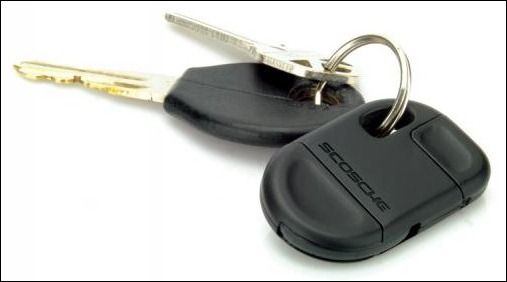
101_0653 If the iPhone 4 piques your interest, you should head on over to our consumer-focused sister site, Carrypad.com. We’ve got the new iPhone 4 and are already putting it through the paces. If you need to get caught up to speed, check out the iPhone 4 tracking page in our product database:

iPhone 4 – specs, news, links, and more

Or you can alternatively click this link for a full list of iPhone 4 coverage from Carrypad.

Dear AT&T and Apple, What is Unlimited x 2? A.K.A. Why Can’t I Tether My iPhone and to the iPad

Tags: , , , ,


ipad tether Maybe I haven’t been digging deeply enough, but I have seen anyone even mention this annoyance. I’m already a paying iPhone/AT&T customer, and I pay $30/month just for the 3G data component of my cellular bill. In fact, if you are an iPhone user, you are required to have the 3G data plan, which supposedly affords you “unlimited” data. When you really look at the fine print, unlimited in today’s carrier vernacular generally means a 5GB/month cap on data, but still, I’m paying for those 5GBs of data, I should be able to use them as I please, right?

Yet, if I buy a 3G equipped iPad, the only way for me to use the cellular data is to pay an additional $30/month to AT&T, despite the fact that I’m already paying this fee for one device. Shouldn’t it make sense to be able to tether from my iPhone to the iPad to share the “unlimited” data that I already have? Why on earth would someone need to pay for something that is unlimited… twice.

Way back in July of last year, I wrote about why I didn’t think it made sense for Apple to launch a tablet with any carrier at all, let alone Verizon as it was rumored at the time. Briefly — in that article I made the point that releasing the tablet with the capability to tether to an iPhone through bluetooth would increase the ability for Apple to market the device to existing iPhone users, instead of asking them to sign up for another plan. I still think this idea makes sense, and Apple may have actually considered it, but in the end AT&T probably wouldn’t have any of it as they are major jerks when it comes to tethering.

If you consider the sheer number of iPhones out there, you’ll see why it makes a lot more sense from Apple’s point of view to allow tethering from an iPhone to an iPad, rather than asking users to sign up for an additional data plan. Apple has sold somewhere in the neighborhood of 42 million iPhone’s. Sure, not all of those are in use, but there are a lot of people out there who are already on AT&T with their iPhone and their required $30/month “unlimited” data plan. I’d say that all of those people are less likely to buy a 3G equipped iPad than someone who is not already paying for a cellular data plan.

If Apple went the tethering route, they could have reversed this situation. Instead of owning an iPhone (and subsequently already paying for a data plan) and being less likely to purchase an iPad because of it, iPhone users would actually be more likely to purchase an iPad because they’d be encouraged through the idea that they could simply tether and use their existing data plan to connect to 3G with their iPad.

If the past is anything to go by, there is a good chance that the ever active iPhone hacking community will figure something out for tethering to the iPad, though an official solution would be much appreciated, and make sense on a number of levels.

Why Verizon (or any carrier for that matter) doesn’t make sense for Apple’s rumored web tablet

Tags: , ,


awt There have been plenty of rumors flying around as of late that try to implicate Verizon readying LTE by 2010 for the elusive, and frequently rumored, Apple web tablet (let’s call it the AWT for short). However I find it extremely hard to believe that these two things have any correlation, and in fact feel that it makes much more sense for the AWT to not have any sort of cellular data connection whatsoever.

Here’s why: Apple has sold 21.17 million iPhones as of the end of Q2 2009 (that doesn’t include millions of additional iPhone 3GSs which were launched in June). Launching the AWT on another carrier would make Apple compete against itself. This would immediately cause consumers to have to pick between the AWT and the iPhone which is as bad for Apple’s business as it sounds. Consumers are highly unlikely to sign up for two carriers. Launching the AWT on another carrier would also weaken Apple’s relationship with AT&T, which isn’t something that you want to do when AT&T is home to an estimated 6.4 million iPhones here in the US (as of the end of April 2009). Apple has already tied 6.4+ million people into AT&T at some point for a two-year contract. How likely is it that people will terminate their contracts early and give up their iPhones to go to Verizon for the AWT? Highly unlikely I say. If the AWT launched with Verizon, you bet it wouldn’t sell well early on because many of the users (6.4+ million of them!) who love the iPhone are already locked into AT&T; Apple wouldn’t sacrifice the opportunity to sell to that huge number of people by launching on another carrier.

What if Apple launched the AWT with cellular data on AT&T? Well I’m sure a few of you out there cringe at that idea, knowing that AT&T’s networked is already being stretched to its limits and they haven’t even turned on the iPhone 3GS’s speedier 7.2Mbps HSDPA. But let’s say that the network could handle a bunch of AWTs; it still doesn’t make any sense for them to launch with AT&T. Why? Because users are unlikely to pay for two separate data plans (one for the AWT and one for the iPhone), it would be seem redundant and not even remotely cost-effective in this slow economic time.

Of course we need to consider the size of the device. One of the most frequently cited rumors is that Apple has been buying a bunch of 9-10” touchscreens, and these will be used in the AWT. Since Apple doesn’t provide any form of cellular data connection to its existing computer line, I don’t think it is likely that they will to a device that large any time in the near future. The 13” MacBook is just 3” larger than the AWT is rumored to be. I doubt Apple sees users carrying these devices around in their pockets. It makes a lot of sense to give the iPhone cellular data because it can be easily pocketed and carried on your person. But the AWT certainly doesn’t seem to be targeted to that sort of usage.

(continue reading on page 2…)

iPhone 3GS website load time tests

Tags: , , , ,


iphone3gs If you are a regular reader of sites in our end of the blogosphere I’m almost sure that you are aware that the iPhone 3GS has now been released by Apple. While not a drastic change from the original, the 3GS boasts speed improvements that claim to make it twice as fast as the iPhone 3G. Chippy mentions that the iPhone 3GS is ‘the most important MID’ out there right now, and it is inevitable that people will compare many of the upcoming Moorestown devices to the iPhone 3GS. MIDs run lots of different software, amd while we won’t be able to do direct application comparisons, one of factors that we can most easily compare is the speed in which a MID can load a webpage. AnandTech put together a table which stacks the iPhone 3GS up against some of best smartphones out there.

WiFi Apple iPhone 3G Apple iPhone 3GS Palm Pre T-Mobile G1
anandtech.com 16.3 s 7.8 s 8.2 s 17.2 s
arstechnica.com 17.7 s 6.3 s 7.8 s 17.8 s
hothardware.com 35.2 s 14.7 s 11.2 s 24.4 s
pcper.com 33.3 s 15.0 s 18.0 s 34.0 s
digg.com 34.3 s 15.0 s 22.1 s 40.0 s
techreport.com 24.1 s 9.6 s 9.0 s 20.5 s
tomshardware.com 21.4 s 16.4 s 13.8 s 26.0 s
slashdot.org 26.0 s 10.0 s 20.9 s 46.0 s
facebook.com 31.7 s 13.5 s 19.6 s 37.7 s
iPhone 3GS Advantage over Palm Pre 21%
iPhone 3GS Advantage over iPhone 3G 122%


It is easy to see the ability of the iPhone 3GS to quickly render websites, and the iPhone 3GS has set the bar that upcoming Moorestown MIDs will match and hopefully surpass.

Check out the full article at AnandTech for additional tests.

A theory on why Apple is keeping quiet about the iPhone 3GS specs

Tags: , , , , ,


iphone3gs A quick look around the iPhone 3GS ‘Tech Specs’ page reveals plenty of info about battery life, screen size, resolution, and a number of other info, but we have yet to see any info on the RAM or CPU speed which claims to make the iPhone 3GS “twice as fast’. Even when asked directly, they refused to say exactly.

It seems a bit strange for them to be doing this, but I have a theory. You may have read my article a short while back questioning the rumors that said that Apple would release a touch oriented slate style device at WWDC. In that article, I mentioned that the App Store has been a huge part of the iPhones success, and Apple wouldn’t be releasing anything that runs the iPhone OS with specs that would ruin app compatibility. So, I feel that Apple has done some work to ensure that apps stay cross compatible with every device of their touch series.

I’ll have to mention that I haven’t yet been able to test the iPhone 3GS, but here is my initial theory. Apple may have doubled the RAM in the iPhone but kept the CPU speed the same; they want to keep the double RAM a secret. Why would they do this? The previous iPhone 3G has 128MB of RAM that gets allocated around the system to where it is needed. If a heavy app uses too much RAM, it crashes because the phone doesn’t have any more RAM to offer it, as it is being used up by the rest of the system. By doubling the RAM, they have plenty of space to allocate to the system, and a much larger space to load and run applications. The RAM speed remains the same (and the CPU) which means that app performance (while it is actually running) will stay the same, but with the increased quantity of RAM, more data can be loaded to the RAM at once, increasing the speed in which applications load. This is important because Apple doesn’t want any of the touch devices to run applications better than any other, ensuring compatibility between all.

Apple understands the success of their App Store. In the WWDC keynote, they mentioned that they have 50,000 applications, over 1,000,000,000 downloads of apps, and an install base of 40,000,000 users, across all generations of the iPod Touch and iPhone. Those numbers are insanely impressive, and as I stressed in the aforementioned article, they are not about to ruin compatibility of their precious app store. If they just doubled the CPU speed and double the RAM, developers would have a new performance bar that they could develop for. This means that an application might be designed specifically for a theoretical, more powerful iPhone, and yet it wouldn’t run well on their older devices, totally breaking the trend that the current app store has had since it was released: complete interoperability between all devices regardless of generation. But here is the really tricky part… why keep it a secret?

(continue reading on page 2…)

Will Apple really release something drastically different from the iPhone?

Tags: , , , , ,


Original image from http://factoryjoe.com/blog/2007/11/05/apple-tablet-concept-the-ipad-touch/

Time draws closer to the event in which Apple is rumored to unveil a new, larger, touch oriented device. Let’s call it the iPod Plus (as Chippy coined it) essentially a device based around the concepts of the iPhone/iPod Touch (simple touch navigated software) but with less focus on the phone aspect and more focus on media and web interaction. No one knows for sure yet but people are imagining a small Slate style device with a highly touch friendly OS with a screen ranging from 5-8”. Being a happy iPhone owner, I’m very excited about the prospect of a new device that could culminate the lessons that Apple learned from the iPhone and use the great part of that experience to power a new media rich device. As I think about what it could mean for the company to release a new device, which would probably have a very different size than the iPhone and also run software that isn’t directly compatible with the iPhone hardware, I wonder if it will really happen the way that it is rumored, considering the hurdles that stand in the way.

Software and Developers

Apple has set off some sort of revolution with their App Store, an application that makes it very simple for users to find useful software for their iPhone/iPod Touch. Since the release of Apple’s App Store, we’ve seen the App Catalog for the upcoming Palm Pre, the Android Market for Android powered devices, the Windows Marketplace for devices running WM 6.5, and the BlackBerry App World for certain BlackBerrys. The concept of an App Store is great for many reasons. The biggest of which are the ease in which users can find and obtain applications and the ease in which developers can distribute their applications. By providing a virtual store for all third party software, Apple makes it easy for developers to focus on creating applications instead of having to make round-about back-ends for activation codes if they wanted to sell their applications. The App Store is an huge draw for developers.

That is apparent as Apple recently announced that the one billionth application was downloaded from the App Store. Just throwing out some rough numbers, let’s say that 50% of the applications downloaded from the App Store were free and that the other 50% cost just $2.99. If 500,000,000 applications have been downloaded at $2.99 each (Apple takes 30% of the price of the app), then you are talking about $448,500,000 of profit directly into Apple’s pocket by doing no more than providing a framework on which developers can reach an audience. Clearly the App Store and the concept of applications is very important to the success of the iPhone/iPod Touch, and I would say that Apple would need to think long and hard before coming out with a new device that would be unlikely to support some 35,000 applications which currently run across the entire iPhone/iPod Touch (gen 1 and 2) line of devices.

If they were considering this, I don’t think that Apple would release a device that is essentially a giant iPhone. More likely it seems that they would release a media rich device using an improved version of the iPhone OS (which is actually based on the full fledged OSX). Given the larger dimension of the device, and the likelihood that it won’t be phone, I think that Apple will have designed a new navigation philosophy and will probably want that experience to translate over to applications. Thus I don’t feel that they could simply port over all of the applications currently available in the App Store. Not only would the existing applications not work without scaling on a higher resoultion screen, but these apps would need to be rebuilt entirely for this new device to be compatible with the improved version of the iPhone OS and to function using the same navigation principals as Apple established with the device, as many apps in the current App Store have a consistent interface design that works to make system-wide finger navigation viable.

By releasing a new device based on different principals of user interaction and making current App Store applications incompatible, Apple would be throwing its current library of 35,000 third-party applications out the window and additionally they would be trying to split their strong base of developers.

As a developer who wants to sell an application, it would be hard for Apple to convince you to start developing for a new device that doesn’t have backward compatibility with the old devices. Any developer would realize that the current audience, which includes anyone with a 1st or 2nd gen iPhone or iPod Touch, would be much larger than a newly released device. And why might someone spend the time developing an application for the newer hardware when the audience would be so much smaller. Sure, eventually the numbers would start to even out, but it would be hard to get the ball rolling and see the same widespread development of applications on the iPod Plus as we’ve seen with current App Store apps.

Apple’s steady strategy for said devices has been based on compatibility. Even while coming out with new generations of the two devices, Apple has made it clear that they want every application in the App Store to be able to run on every generation and model of their ‘touch’ series of devices. Why break the trend now? There is definitely a time to move forward and come up with something new but Apple has seen great success with their current strategy and it might be too early for them to jump to new hardware and thus, new applications that would require that new hardware to function.

Nintendo is a company that works using a similar strategy of backward-compatibility. The company is responsible for one of the most successful handheld game consoles and part of that has to do with the fact that the handheld gaming system can play the same games from the previous handheld game generation released all the way back in 2001. Similarly, Nintendo’s Wii console can play games from the previous generation that was also released in 2001. While the Nintendo Wii definitely isn’t the most powerful of the three current gaming consoles, it is doing better than the other two in sales, partly due to its backward compatibility.

Size and Portability

I’ve recently come to realize how great the iPhone is as a gym companion. Heading to the gym to do some exercise with the iPhone in a holster on the waist has plenty to offer one who is doing various gym activities. Music is the most obvious thing that comes to mind. It couldn’t be easier to put together a playlist and with the included earbuds, you can change tracks easily using the button on the cord without even having to look at the iPhone, one can even answer and hang up calls with the same button and the ringtone comes right over the earbuds. Beyond just listening to music, the iPhone can be great for web consumption when on the stationary bike. Some people like to read a book using the little shelf on the bike, but the iPhone sits there just as well and provides a portal into one’s online life. Its great to be able to exercise while checking twitter, Facebook, Google Reader, etc.

While hunched over and tapping my fingers around on the iPhone’s small screen, I realized how great that the little magazine/book shelf would work with an iPod Plus. Imagine a 7” screen sitting flat right there where a book might go and offering a great touch navigated media experience. You could read full web pages and easily flick your way up and down the page to see the contents without having to frequently pinch zoom. Considering more powerful hardware, you could have a nice twitter app running in the background that would notify you of new updates using a Growl style notification system. Sounds great to me, but when I considered that the iPhone simply comes with me to the gym in a holster on my waist, I wondered how I would carry such a device with me.

With a 7” screen I don’t think it would be very pocketable. It wouldn’t be the companion style device that could play music for you while lifting. What does one do with a device that sits between the size of a pocketable phone and a notebook? The iPhone is usable while walking because it can be held in one hand an operated, but a device such as that which has been rumored sounds like it would need to sit down on a table and have the attention of both user’s hands in order to be operated. Sound familiar? That’s right, notebook basically needs to be put down on a table and have interaction from both hands to be effectively used, and I don’t think that Apple wants to compete with their own notebook line. Apple hit the sweet spot when coming up with a device that could be used with one hand and slip into the pocket with no problem.

Summing it up

There are certainly a lot of factors that go into the creation of a new device and I’m sure that Apple looks into this stuff with much scrutiny before trying to push a big new product. While I would love to see an iPod Plus device with a large screen that featured a great new interface and the ability to consume media rich content, I think that it is unlikely to see anything radically different from an iPhone. It doesn’t seem likely that Apple would release a device that is more powerful, isn’t compatible with the apps in the current App Store and also sits at a size that competes with the MacBook line of notebooks. What’s more is that Apple doesn’t want to split their developer community, and would have a hard time starting up the wildfire of rapid application development that was part of success of the current ‘touch’ series of devices.

Search UMPCPortal

Sales Information


Our Network

  • ARMShowcase Tracking ARM-based mobile products
  • Big Beach Our marketing advisors. Located in UK.
  • Carrypad Tablets and consumer mobile products
  • Chromebook News Chromebook news, products and specifications
  • Device Manufacturer List List of all device manufacturers, and products, from our database
  • JKKMobile JKKMobile – Mobile computing and hacking – Partner of UMPCPortal
  • Liliputing Netbooks and small-form-factor laptoping – Partner of UMPCPortal
  • MeeGoNews News, reports and inside info from the MeeGo Ecosystem – Partner of UMPCPortal
  • MeetMobility Mobile computing podcast broadcast every two weeks – Partner of UMPCPortal
  • Netbooknews Netbooks and other mobile devices – Partner of UMPCPortal
  • Ultrabook News Ultrabook products, specs and news

Donators (Last 20)

Buy Laptop (€5.00 EUR) Says:
Sep 18, 2011 at 7:43 am

Awesome website, great read!

Jez@SammyTablet Says:
Oct 15, 2010 at 8:25 am

Keep up the good work! UMPCPortal and Carrypad are always a good read :)

MiKeN (€5.00 EUR) Says:
Oct 15, 2010 at 5:13 am

Microsoft AutoRoute Says:
Sep 3, 2010 at 10:46 pm

Trip planning and satnav software for PC

MMORPG Says:
Oct 6, 2009 at 2:07 am

Keep up the great work on UMPCPortal :)

Laptop Computers Says:
Jun 9, 2009 at 8:00 pm

Laptop reviews, ratings and netbook computer buying guides.

Laptop GPS World Says:
May 10, 2009 at 2:01 pm

PC GPS SatNav reviews and forums.

Ultimate-Netbook Says:
Apr 11, 2009 at 2:48 pm

Ultimate-addons supplier of netbook accessories

Steve Paine Says:
Apr 2, 2009 at 8:44 pm

Test from Steve