Tag Archive | "Computex"

That Intel Medfield / Android Tablet

Tags: , , , ,


It’s a crossover point when Intel demonstrate a mobile operating system that grew on ARM devices, on their i86 platform and that’s what happened yesterday.

I played around with an image from the Intel pressroom and here’s the Medfield tablet running Honeycomb. Looks like 7” to me and designed for Android 2.x rather than 3.x (See buttons.)

Interestingly, most of the PR around Medfield talks about tablets and not smartphones. I wonder if the smartphone focus will come later in the year? IDF perhaps.

medfield tablet

Original image is here.

In around 2hrs, Doug Davies, head of the tablet and netbook division will be holding a session where we expect to hear more about Medfield, Cedar Trail, Android, Meego and more. We’ll bring you that news as soon as we can.

Why is Honeycomb on Intel interesting? See this article.

AMD Shows Z-Series ‘Desna’ APU at Computex, Running Android!

Tags: , , , ,


The Z-01 APU was announced yesterday in a blog and press release but AMD have just demonstrated it on stage at Computex. It looks like they’ve re-named the low-power C-50 part they’ve already talked about, a variant of which I believe is already in the Acer Iconia W500 Tablet so don’t get too excited as we’re talking about a 5.9W TDP here, not an ARM-architecture competitor just yet. It lines up nicely besides Oaktrail as a platform that can enable a good Windows tablet experience.

Interestingly, AMD accepted that Windows tablets haven’t had a huge amount of success recently and tipped a hat to Android by demonstrating a runtime version of Android which is provided by Bluestacks. We’ve already seen this briefly on the Viewpad 10 Pro.

bluestacks demo
Bluestacks running on an Acer Iconia Tab W500 – (Screen grab from live stream)

Announced features of the Z-01 are:

  • AMD Z-01 APU with AMD Radeon™ HD 6250 discrete-class graphics. This APU features two 1 GHz “Bobcat” CPU cores and checks in at TDP of 5.9 watts.
  • Full intelligence and operability of the Windows® 7 OS
  • Consistency in user interface and applications from work to home
  • Full access to view and edit work and personal documents created in Microsoft Office and other leading applications
  • Free and automatic online Windows 7 OS updates to enable the most current features
  • Full compatibility with iPhone, Windows Phone, Blackberry and other leading mobile phones
  • Seamless connectivity with virtually any USB device
  • HDMI support to enable a full 1080p visual experience
  • Full compatibility with XBOX 360 Media Extender Functionality

The first product to officially use the Z-01 will be the MSI Windpad 110W which has previously been reported as having a C-50 APU. We’re not sure if it’s going to ship with the Bluestacks Android layer.

msi-windpad 110w


In a press release, MSI state that the Windpad 110W will have six-plus hours of battery time – “the longest of any tablet with Windows architecture.” which is actually BS because I’ve got two here in the studio that will beat that. They’re based on last-gen Intel platforms too!

AMD do a great job with Fusion and the marketing is as smooth as silk so we’re reserving judgment until we get that 110W in our hands. As for Bluestacks it looks like Myriad have a competitor which is great news for us consumers!

Ultrabooks To Bring Mainstream Closer To Mobility

Tags: , , ,


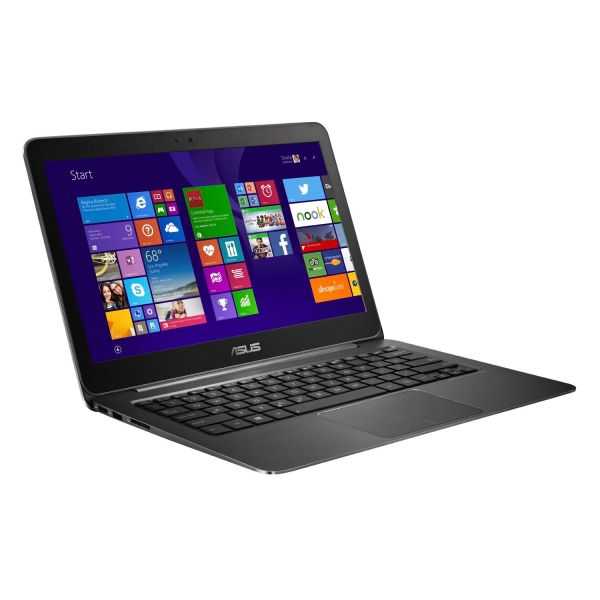
As you might have read in the press release from earlier, Intel announced a range of activities and products at Computex today but whichever way you look at it, their pivot-point just moved closer to mobility. Not only did Intel showcase a Medfield tablet running an official X86 build of Android (which will have marketplace support) but they launched a new initiative called ‘Ultrabooks.’ Backed by a trademark, they will aim to move 40% of consumer / mainstream laptop sales under this ‘brand’ before the end of 2012. That’s a huge number of devices. In the region of 20-80 million by my estimate.

ASUS-UX21-Series-back-angle-02

An article over at Anandtech does a great job of defining what an Ultrabook but basically it’s about bringing power consumption down, battery life up to ‘all day’ standards along with lightweight design, mainstream processing power, security and responsiveness. For mobility fans, that means devices around the netbook weight with notebook processing power, just what I need for my ultra mobile video editing project!

I’ve kicked off a new database of products and news over at Ultrabooknews.com. Lets track this thing!

Two other features of the Ultrabook need to be taken into consideration and I’m really pleased to see this. Intel are realising that always-on, or at least, always-updated, is something that people are starting to expect. It’s a feature that ARM-based devices have always had and Intel need to step up to the challenge. While Windows will always present some challenges (until Windows 8 I suspect) they have a couple of workarounds in the mix here. Rapid Start will speed up the return-from-standby process just as some devices have done in the past. The more interesting technology though is SmartConnect. I suspect this is a timed start-up and shutdown phase with a ‘boot and poll sequencer’ as I’ve mentioned before for Cedar Trail but there could be more to it than that as platforms develop. An always-on component is possible.

As Ultrabook platforms move towards the 10W TDP mark (It is expected that they will centre around 15W TDP) there are some interesting possibilities for ultra mobile devices with a good level of processing power for grab-and-go or modular PCs. Don’t expect ultra-low-cost though! What it means is that Atom is going to move down a notch. Lower power envelopes are where Atom was meant to be but it also means that Atom is likely to widen its range to serve low-cost laptops and desktops.

The Intel press releases for todays keynote are here.

Tomorrow we will hear from AMD and we expect them to push Fusion down into lower TDP ranges. Stay with us as we track that one tomorrow. In the meantime, what are your thoughts on Ultrabooks and the platforms associated with it?

FIC Tycoon+ offers Improved Windows Tablet

Tags: , , ,


First International Computer gave me a T-Shirt last year after we reviewed their N450 based ‘Tycoon’ tablet and strangely enough, I’m wearing it today as I read their press release! We were impressed with the screen and build quality and thought they might have a chance for some sales. At that time FIC said they were also looking to do a reference design with Oaktrail so I was a little disappointed when I heard today that the Tycoon+ is still being offered with Pinetrail.

tycoon_plustycoon_plus_rear side (2)

FIC have upped the CPU spec to N550 and included a Broadcom Crystal HD unit which does make it more interesting for Windows users but that’s not going to put it ahead of the pack come the end of Computex this week. It was more interesting last year.


Press release:

Taipei, Taiwan, May 31, 2011 – First International Computer, Inc. (FIC), a world leader in the design and production of electronic devices today unveiled their dual-core Windows 7 tablet at Computex. The FIC’s Tycoon+ is equipped with a 10.1-inch wide capacitive multi-touch screen, powered by Intel® Atom™ N550 processor and supports 3G wireless connection. The Tycoon+ is designed for both professional mobile worker and multimedia enjoyment.

“According to some market research companies that estimate the global tablet will reach 54 million units shipped in 2011, the sales volume of tablet and other mobile internet devices will grow to 50% market share over the worldwide computer devices. This market begins to crystallize and we can see how the influence of tablet on today’s digital life is so big,” stated Alex Dee, vice president of Sales, FIC. “FIC has taken a lead in developing tablet amongst the many competitors. The Tycoon+ is created to be high productivity and entertainment for mobile users. It is efficient, and furthermore it provides the outstanding multitasking performance.”

Featuring an Intel® Atom™ N550 dual-core processor, the Tycoon+ offers an impressive executive commitment on running any program or working multiple programs smoothly. Benefiting from advanced dual-core technology and improving system performance, FIC’s Tycoon+ is designed to provide exceptional functionality for daily mobile computing.

The Tycoon+ comes with Wi-Fi 802.11b/g/n and an optional 3G/WCDMA support. Users can enjoy a high speed internet access anytime at anywhere. Engineered with a Bluetooth interface, Tycoon+ allows transferring the data wirelessly and instantly.

A Broadcom Crystal HD media processor is installed to support the marvellous Full HD 1080p video playback. Moreover, with two high quality stereo sound boxes built-in, the Tycoon+ is perfectly a great multimedia center for extraordinary entertainment.

The Tycoon+ is wrapped on black soft-touch paint in the rear case. Stream end profile with compact design bring out the most luxurious and professional style. “The black soft-touch paint design makes the Tycoon+ stylish and exquisite,” said Andy Lo, the Sales and Marketing Director of FIC. “It’s the ideal mobile device for business users and offers a comfortable hand grabbing area both in vertical and horizontal position without touching the screen,” “It’s one of our remarkable masterpieces of product art.”

To learn more about FIC and FIC’s Tycoon+ tablet, see FIC at Computex 2011, NanGang Exhibition Hall, booth no. M303a or see www.fic.com.tw

Model Tycoon+ TVB01 Series

  • Windows 7 operating system support
  • 1.5 GHz, Intel® Atom N550 Dual-Core processor
  • 1 DDR3 SO-DIMM Slot (up to 2GB)
  • 10.1”W LED BL (1024 x 600), capacitive multi-touch panel
  • 1.8” HDD Micro SATA 120GB or SSD 32GB
  • 802.11b/g/n WLAN and Bluetooth 2.1
  • 3G/WiMAX Compliance
  • Broadcom Crystal HD media processor
  • 1 x SIM Card slot, 2 x USB 2.0 ports, 1 x Headphone Line-Out, 1 x Microphone Line-In, 1 x DC-in, 1 x 2M Webcam (with Mic. design), 3-direction switch
  • G-sensor support
  • Embedded 3800mAh Polymer battery
  • 250mm x 183mm x 17mm (W x D x H)
  • Approx. 850g

    * All Specifications subject to change

Press Release Reveals Intel Plans Ahead of Keynote. Ultrabooks and Android Feature.

Tags: , , , ,


While not too surprising in terms of content, this leaked press release, a few hours ahead of Intel’s Computex Keynote, highlights a big shift towards ultra mobile and Atom-based solutions.

Key points of the press release are the accelerating Atom program, a Medfield tablet running Honeycomb, Ultrabooks, Cedar Trail and 10 tablets based on Oaktrail. We suspect these tablets will be included in the demo but we’re interested in the missing items!

Update: The tablets shown on the Intel booth are from: Fujitsu, Lenovo, Motion, MSI, Open Peak, Toshiba, Viliv, and WeTab and ODM customers – BYD, Clevo, Compal, CZC, ECS, Foxconn, Inventec, Lengda, Malata, Pegatron, Quanta, Topstar and Wistron. Not all of these are running the Oaktrail platform.

We’re in contact with a few teams on the ground at Computex and will bring you their news, images and videos later.


Intel’s Maloney Talks Mobile Growth, Industry Opportunities at Computex
New Roadmaps Across Intel® Core™ and Atom™ Processor Families to Usher in Next Wave of Laptops and Connected Mobile Devices
NEWS HIGHLIGHTS
Intel defines new category of mainstream thin and light mobile computers, called Ultrabook™.
Intel aims to shift 40 percent of consumer laptops to the Ultrabook™ by end of 2012.
Separately, Intel is accelerating the Atom™ processor roadmap to a one-process-generation per year cadence to enable a wider range of optimized solutions for multiple market segments.
Intel highlighted its next-generation, fanless netbook platform, codenamed “Cedar Trail,” a range of new Atom processor-based tablets available today, and a “Medfield” tablet reference design for sub-9mm designs, weighing less than 1.5 pounds and supporting a choice of operating systems.
COMPUTEX, Taipei, May 31, 2011 – Intel Corporation Executive Vice President Sean Maloney today said that by the end of 2012, 40 percent of the consumer laptop market segment will encompass an emerging new breed of no-compromise computers, called “Ultrabook™,” which will increasingly combine best-in-class performance, improved responsiveness and security in thin, elegant form factors.
During the opening keynote speech at Computex, one of the world’s largest technology trade shows, Maloney provided further details on the significant changes Intel is making to the Intel® CoreTM processor roadmap to enable this new category. He also reiterated Intel’s push to accelerate the pace of innovation for Intel® AtomTM processor-based system-on-chips (SoCs) for netbooks, smartphones, tablets, and other companion devices.
“Computing is taking many forms,” said Maloney. “Technology innovation is a catalyst, and we believe the changes Intel is making to its roadmaps, together with strong industry collaboration, will bring about an exciting change in personal computing over the next few years.”
The “Ultrabook™”
Intel’s vision is to enable a new user experience by accelerating a new class of mobile computers. These computers will marry the performance and capabilities of today’s laptops with tablet-like features and deliver a highly responsive and secure experience, in a thin, light and elegant design. The Ultrabook™ will be shaped by Moore’s Law and silicon technology in the same way they have shaped the traditional PC for the past 40 years.
Maloney described three key phases in the company’s strategy to accelerate this vision, which begins to unfold today with the company’s latest 2nd Generation Intel® CoreTM processors. This family of products will enable thin, light and beautiful designs that are less than 20mm (0.8 inch) thick, and mainstream price points under US$1,000. Systems based on these chips will be available for the 2011 winter holiday shopping season and include the UX21, ASUS* Ultrabook™. ASUS Chairman Jonney Shih joined Maloney on stage to showcase the company’s new ultra-thin laptop based on the latest 2nd Generation Intel Core processor.
“At ASUS, we are very much aligned with Intel’s vision of Ultrabook™,” said Shih. “Our customers are demanding an uncompromised computing experience in a lightweight, highly portable design that responds to their needs quickly. Transforming the PC into an ultra thin, ultra responsive device will change the way people interact with their PC.”
Building on the latest 2nd Generation Intel Core technology, Maloney outlined the next generation Intel processor family codenamed “Ivy Bridge,” which is scheduled for availability in systems in the first half of 2012. Laptops based on “Ivy Bridge” will bring improved power efficiency, smart visual performance, increased responsiveness and enhanced security. “Ivy Bridge” is the first high-volume chip based on Intel’s 22 nanometer (nm) manufacturing technology that uses a revolutionary 3-D transistor design called Tri-Gate announced in May. Maloney also highlighted complementary USB 3.0 and Thunderbolt™ technologies which are part of Intel’s ongoing work to drive the PC platform forward.
Following “Ivy Bridge,” planned 2013 products codenamed “Haswell” are the third step toward achieving the Ultrabook™ and reinventing the capabilities of the laptop in ultra thin and light, responsive and more secure designs. With “Haswell,” Intel will change the mainstream laptop thermal design point by reducing the microprocessor power to half of today’s design point.
Accelerating the Intel® Atom™ Processor Roadmap
Maloney highlighted key milestones and additional details on upcoming generations of Intel Atom processor-based platforms for tablets, netbooks and smartphones. The Atom processor will outpace Moore’s Law, accelerating from 32nm through 22nm to 14nm within 3 successive years. Having a cadence of a new-process-generation every year will result in significant reduction in transistor leakage, lower active power and an increase of transistor density to enable more powerful smartphones, tablets, and netbooks with more features and longer battery life.
Reaching its 100 million-unit milestone this month, Intel is preparing its next-generation netbook platform, codenamed “Cedar Trail.” “Cedar Trail” is the first netbook platform based on Intel’s 32nm technology, and will enable ultra-thin, fanless designs with new capabilities such as Intel® Rapid Start technology which provides fast resume, Intel® Smart Connect Technology which enables an always updated experience even during standby, Intel® Wireless Display and PC Synch, which let users wirelessly update and synchronize documents, content and media across multiple devices. In addition, the new platform is expected to enable more than 10 hours of battery life and weeks of standby. “Cedar Trail” will support leading operating systems, such as Microsoft Windows*, Google Chrome* and MeeGo*.
In addition, Maloney showcased more than 10 tablets, running on three different operating systems, that are available today based on the Intel Atom processor Z670. The platform already has more than 35 design wins since its launch in April, with several convertibles, sliders and other innovative designs on shelves now and more coming through the rest of the year.
Maloney also discussed “Medfield,” Intel’s first purpose-built 32nm platform for smartphones and tablets. “Medfield” has been optimized for both low power and high performance and will deliver long use-time, rich media and gaming, and advanced imaging capabilities. To illustrate this point in tablets, Intel showcased a “Medfield” design running Google Android* 3.0 (“Honeycomb”) for the first time. In production later this year, the platform will enable sub-9mm designs that weigh less than 1.5 pounds for tablet designs in market the first half of 2012. It will support a range of operating systems including Android and MeeGo.
According to Maloney, “The work Intel is doing with the Intel® Atom™ processor roadmap, coupled with the significant changes we are making to our Intel® Core™ processor roadmaps, will continue to enhance Intel’s ability to deliver complete hardware solutions with a choice of software platforms across a full spectrum of computing — from back-end servers that power the cloud to the billions of devices that access the cloud.”
The Cloud’s Rapid Expansion
More people and devices connecting to the Internet will lead to unprecedented growth in cloud-based services for storage, synchronization and entertainment, according to Maloney, and Intel is poised to grow with it. He said that one new Intel-based server is needed for roughly every additional 600 new smartphones or 122 new tablets connecting to the Internet. He also reiterated the company’s “Cloud 2015″ vision of a world of interoperable “federated” clouds that allow enterprises to share data securely across public and private clouds; “automated” networks that allow the movement of workloads between servers in the data center for better utilization and energy efficiency, and “device-aware” clouds that know what types of applications, commands and processing.
In closing, Maloney stressed the critical role of the Taiwan IT industry in the next transformation of computing. He called for collective innovations that will lead the industry into the next era as computing takes many new forms and becomes ever more pervasive and affordable. “The Taiwan IT industry will be instrumental in realizing this vision,” said Maloney.
More information about today’s announcements is available at www.intel.com/newsroom/computex/index.htm
About Intel
Intel (NASDAQ: INTC) is a world leader in computing innovation. The company designs and builds the essential technologies that serve as the foundation for the world’s computing devices. Additional information about Intel is available at newsroom.intel.com and blogs.intel.com.
Intel, Intel Core, Atom, the Intel logo and Ultrabook are trademarks of Intel Corporation in the United States and other countries. * Other names and brands may be claimed as the property of others.

Keeley Lake. Another Reference Design that Intel Should Produce

Tags: , , ,


Is it Oaktrail or is it Cedar Trail. Given that Cedar Trail is likely to be a big component of Intel’s keynote in about 4hrs (with netbook and tablet details scheduled for another keynote tomorrow) then that’s where I would but my money.

Notebook Italia got a glimpse of the ultra-thin device which has ports re-located to the rear due to the thinness of the chassis. Remember the Cedar Trail is rumoured to have a PowerVR graphics core and WiDi support. The power envelope should be around 4-5W TDP for the platform and that matches the thermal limitations I’m seeing in that design, even if I can’t go and touch it from here! Also keep an ear open for ‘always updated’ which is something that would require new hardware and software.

The other interesting thing is that the designers have squeezed in a convertible screen without bulking the design out as central hinges tend to do. Still, this is only a reference design; practicalities often get ignored for those!

keeley lake

Notebook Italia have another image here.

Meego Netbook, Eee PC X101, appears at Computex

Tags: , ,


x101

JKKMobile and netbooknews are reporting on a new Eee PC X101 Meego netbook spotted at Computex today.

It’s thin, driven by an SSD, has an App Store and is likely to be built on the Oaktrail platform although that’s not confirmed yet. Update: We’re hearing it’s based on an N435 CPU! Stay tuned for confirmation of that.

There’s no indication of launch date or price either so we’ll have to wait for the reporters out in Computex to see what they can find out. What we do know is that the X101 will be targeted at government and education with a launch price of around $199

More details and embedded videos at MeegoNews.

We’re building the product page here.

Why Android on Oaktrail? The Answer Should be Confirmed at Computex

Tags: , , ,


imageWith rumors of Android / Oaktrail tablets flying around, you might wonder why? Intel based tablets aren’t exactly renowned for their long battery life and the open-source Android versions we’ve seen so far are a lot different to the Google-enhanced Android tablets we know from the ARM world but these two issues can change and this week at Computex we should have the first chance to confirm this.

Firstly, Intel and Google should be able to work together on approved Android builds that include Google applications and the very important market. Why? Intel is obviously big enough to have a say in the matter and they should be able to present big-brand customers to Google too. They’re also founding members of the Open Handset Alliance so they’ve contributed for a number of years now. Expect on-stage demos to include Google applications or at least a promise of Google applications. [Update: Confirmed now]

Secondly, Oaktrail, Intel’s new platform, is different. It contains power-saving features that Windows just can’t control. An Intel Android build specifically optimised for Oaktrail could enable some quite impressive idle figures. By utilising all the available power-saving features, it could be possible to present a device that falls in the same battery life range as an ARM device. That should surprise quite a few people. Given some of the processing power advantages too, you should see performance that pushes Honeycomb performance ahead of some of its rivals.

I’m not saying that the Intel / Oaktrail / Honeycomb tablets  will be better than ARM-based tablets in any significant manner but the fact that they hit similar battery life, weight, size and performance figures should cause people to sit up and take note. Even more so, If manufacturers show multi-boot Windows capability or even virtualised operating systems running concurrently, you could be looking at a very special unique selling point.

Watch out for Viewsonic, Acer, ASUS and Lenovo at Computex.

Computex Day 0. Mobile Roundup

Tags:


Day 0 is over, Day 1 has started and in a few hours, the doors open but before we get into that, let’s go over the Day 0 news from my point of view.

It stared with an interesting leak press conference with ARM which highlighted cloud services, a changing market and Android. Lots of Android!

 arm1 arm2

You’ll see ‘Eagle’ on that second slide. Eagle is the next gen, high-end core from ARM that I expect to filter in in late 2011, early 2012 based on the timescales we’ve seen with other ARMv7 products. Expect it to be a refinement of Cortex A9 spanning the same territory as Moorestown and Medfield from Intel. There was an interesting comment from Bob Morris about ‘other’ CPUs that hide behind screens meaning that screen power drain is relatively high right now and as soon as that drops (with products like PixelQi) the other processors will then get exposed as the biggest power drain. Clearly he’s talking about Intel’s platforms here.

Next-up on the agenda was Nvidia who disappointed me with their ‘have patience’ stance on Tegra2. Come-on guys, you’ve been talking this up for many many months now and it’s time to start talking about products. What is holding things up? Is it the software stack? (Quite likely. Who wants to put out an Android stack without Google elements or a WinCE-based system?) We left quickly after that statement.

The craziest press event of that day was with ASUS who come across as a company that tries to be cool. Clearly, if you try to be cool, you’re not! Loud music, graphics, colors, girls. It was all rather tacky really but we did get to see the Eee Tablet, an e-ink, touchscreen (magnetic I understand) device aimed at what seems to be the high-end reader market. Pro-level e-reading? I’m not an e-reader fan but it did appear to have some interesting features. Fast page turn was being hyped.

More interesting was the announcement that Asus will support the AppUp store. Expect two or three more of these announcements (Dell, Acer perhaps) as Intel moves into the deployment phase of AppUp. Once it starts to get out there (in the millions in 2010) then interesting things could happen.

Capture_00050 

Press Goes Nuts over the Eee Pad Eee Tablet

Asus followed-up with two Eee Pad devices. These two tablets (confused) don’t appear to be quite ready yet and based on the technology we saw; a demonstration video of what could be a CE-based Win7 ‘compact’ OS on a high-end ARM platform and a non-working Win 7 build on an extremely thin ‘CULV’ platform, we suspect that these products are not for Q2 or Q3. No prices, no specs. The 12” tablet is interesting as it comes with a docking station. If it offers full laptop-level power (or at least laptop-level) in a 1KG tablet, it becomes a nice grab-and-go productivity Slate. It’s not something you might want to have on the sofa or use on the go (or even in a coffee-shop) for too long but I can see it living on the coffee-table as a second home.

So that’s it for Day 0. There were a few more snippets but I’ll have to feed those in as I go because it’s not time to hit the shuttle bus and head to Nangang exhibition hall for doors-open in just one hour!

Here’s a video of the Eee Pad. And a girl!

UMPCPortal / Carrypad schedule for Computex Starts Monday

Tags:


image Computex is one of the biggest and definitely the most important trade show of the year for mobile computing. Not only is it located in the heartland of notebook, netbook and mobile computer design and manufacture but it’s an event that I get additional access to through our friends at Intel. I’m part of the Intel Insider program which is covering my trip to Taipei and giving me some guidance and behind-the-scenes access to information and people. It was last year that we spotted the first Moorestown ‘Mediaphone’ and learnt a lot about Moorestown internals. We had a preview of the Viliv S10 and N5 behind closed doors and walked away with a review sample of the Viliv X70. Of course there were a ton of ARM-based devices too.

This year it looks to be an even more exciting as the sector warms up even more. There are hints that the UMPC is back, at least in tablet form, as Intel prepares special silicon. We think it’s going to be a Moorestown variant that will work for any type of thin and light handheld device and will be a significant step forward from the Menlow platform; enough that even I might consider switching to Windows 7! We’re expecting to see Meego for handhelds demonstrated along with Android on Moorestown too and I’m betting we might even get the first product announcement in that area. As for ARM-based solutions, we  should see a lot of activity from Nvidia, Freescale, Ti and Qualcom as they continue to demonstrate the capability of their platforms. [ARM platform round-up here.] There’s a possibility that HP could demonstrate an early build of WebOS on a tablet and we need to watch HP closely for news about their rumored WIn 7 tablet. That would be a good one for Intel to bring out on stage as a demonstration of a super-thin Windows solution on the new Oaktrail platform!

image

The schedule:

I fly out tomorrow (Saturday 0900 CEST) and arrive on Sunday (1100 local time) to meet up with JKK, Sascha, and many other tech-bloggers. We’re obviously going to see what we can sneak into on Sunday and Monday and then, as the doors open on the Nangang exhibition hall, I plan to be there to do a first quick round of the two floors before meeting with Intel to get a tour of their booth.

Monday: Preparation, sneak peek! Possible Mobile Monday event.

Tuesday:

  • Doors open on the exhibition.
  • Intel booth visit.
  • Intel keynote (2-3 p.m) from Dadi Perlmutter.
  • Evening: Press dinner. Blogger meet.

Wednesday:

  • Intel Atom software summit. 9:30 a.m.-12 p.m At 2.5hrs, this is obviously an important topic for Intel.
  • LIVE BLOG on Carrypad : Intel Ultra Mobility Group event. 2-3pm [time in your location] Anand Chandrasekher will speak. This is the important one for us. It will cover smartphones, smart tablets, umpc and netbook sectors.
  • Evening: Press event with Intel representatives. Blogger meet-up.

Thursday:

  • Floor coverage at both Nangang and International Conference Center.

Friday:

  • As Thursday. Possible Meet:Mobility podcast.

As you can see, I will remain fairly Intel-focused but don’t expect Intel-only news. Both Ben and Guy will be covering news on Carrypad and UMPCPortal as it breaks and I’ll be feeding them tips from the bloggers out in Taipei. Main, edited content will appear on UMPCPortal (productivity, Windows 7 focus) and Carrypad (consumer, mobile OS focus) but if you want to keep up with the behind the scenes updates, stay tuned to this RSS feed that I’ve constructed from various sources. It will be constantly available here. The official Computex website is here.

Intel’s ‘Tablet’ Silicon = OakTrail = Moorestown-W?

Tags: , , , , ,


There are a lot of Intel-related rumors and unqualified information that fly about and one of my jobs is to mash all that up and try and work out what’s happening so that I can ‘skate to where the puck is going to be’ as Steve Jobs would say. It allows me to do a lot of predicting. Device battery life, OS strategy, performance estimations and more.

A version of Moorestown that supports Windows will be announced in 2010 and it will allow UMPCs running desktop operating systems to shrink another 20% while gaining another 20% battery life but products using this may not appear in 2010. They could also be focused at the embedded market which puts a question-mark over price and small production runs for UMPCs. [Predictions for 2010]

There are three lose ends relating to Intel’s ultra-low-power platforms and it’s time to tie these up and make a prediction before I head to Computex (Where all will be revealed anyway. Why do I bother?)

1 – Mooly Eden announces a ‘tablet’ platform.

2 – Oaktrail will replace Menlow

3 – Rumors of ‘Moorestown-W’ that will allow standard builds of Windows and Linux distributions to run on the latest Intel ultra low-power platform.

I have two trains of thought right now. Either Intel will announce a new netbook platform or a new Menlow-like Win7-optimised platform for ultra mobiles.

New netbook platform.

Intel have to improve the video capabilities of their netbook platform. There’s no video playback acceleration at all and with flash 10.1 enabling smooth YouTube video on devices that do have video decoding, the netbooks are going to start to look dated. Battery life needs to be improved too. Smartbooks will, again, make netbooks look old and dated. Always-on battery life is also a consideration. If Intel want to unify the architecture from smartphone through embedded, TV and netbook platforms they’ll also need to drop the GMA3100 GPU and put something like an enhanced GMA500 in. GMA600 lives in the Moorestown platform, how about GMA700 with 800Mhz clock and VP8 decoding on board for 2011?

But is it too early for a new netbook platform? I think so. Cedar Trail is likely to be a more realistic thought. Late 2011.

New Win7 ‘handhelds’ platform.

Menlow has been with us in products since mid-2008. It got a refresh last year but during its lifetime we’ve gone from mainstream XP to mainstream Windows 7 and it’s time for an update in order to keep up. As with Lincroft (the CPU on the Moorestown platform) and Tunnel Creek (the CPU on the Queensbay platform) optimisations in size and performance can be made by bringing the GPU and memory controller on-board with the CPU and into a 45nm process. Interestingly, Queensbay/Tunnel Creek does this and has been already been labeled as the follow-on to the embedded (extended lifecycle) Menlow products so if we think about the similarities between that and Moorestown, it’s difficult to imagine the platform being anything other than a variation on this. What was rumored as the Oaktrail platform should look very similar to Queensbay and should be just enough for a smooth Windows 7 multi-touch performance in a handheld form-factor. In effect, another UMPC platform.

Here’s what I estimate the platform will look like: Highlights, highlighted.

  • Integrated Atom CPU (optimised to give 20% more per-clock performance than Menlow) with GMA600 graphics, Display controler, Memory controller
  • Connected to controller (USB, I/O ports) via Intels DMI bus in a similar fashion to Moorestown.
  • GMA600 will be clocked at 400Mhz (double the performance of Menlow)
  • GMA600 will include h.264 video ENCODE (720p) and up to 1080p decode. Flash 10.1 will be supported under Win-7
  • Hardware encryption/decryption for SSL.
  • 5mp camera interface.
  • Turbo Boost features will allow the system to run at higher-clock for short periods.
  • SATA 300 Interface (meaning much faster SSD speeds)
  • 4GB DDR2 RAM at 667 or 800Mhz
  • HDMI output
  • Hyperthreading
  • Intel VT support
  • TDP 5W (platform) Unchanged from Menlow.
  • Average power drain down by 30-50% (effective TDP lowered)
  • CPU speed with turbo boost to 1.9Ghz.
  • No power-gating support as on ‘smartphone’ Moorestown
  • Standard BIOS support
  • Windows 7, Linux and MeeGo support.
  • Availability 2H 2010. Products early 2011

If Intel and Microsoft have been working well together, we might even see some special Windows-7 always-on state but that’s possibly too much to hope for. I don’t expect Intel to say anything about netbooks but to me, this look like a platform that could evolve to 32nm and dual-core easily and thus would become the next netbook platform for 2011/2012. Current target markets for the product would be unchanged from Menlow. I.e. MID and UMPCs but the marketing will change and you’ll see a lot of ‘tablet’ talk. I don’t see it as a huge segment but it was something that Intel was doing anyway so it makes sense to ride on some of the hype around at the moment.

Summary:

The ‘tablet silicon’ is likely to be Oaktrail/Moorestown-W, another UMPC-style platform. It could enable 10”, 15mm tablets weighing 600gm running Windows 7 and giving 6hr battery life. Not only would it enable tablets of 600gm but it would enable very thin and light netbooks, slider and clamshell handheld devices running Windows 7 to a point where it could be a better Windows 7 experience than on a netbook (assuming 1.9GHz max clock, double GPU power) and therefore, could evolve in to the next netbook platform at higher clock rates in a 32nm process. Note that the Intel AppUp store would run on this platform. Its sister product, Moorestown will continue to be aimed at even smaller devices with ‘always-on’ capability. I.e. ‘smart’ devices. These would only be able to run Android or Meego however. All products are likely to have CPU’s in the Z6xx series and are likely to be marketed as a family that fits inside Intel’s idea of a ‘Continuum.’

Note: This is all educated guesswork. All will be revealed next week at Computex. I’m attending under the ‘Intel Insiders’ program and should get some great access to products, information and people.

Intel Presents Processor Family for ‘Ultra Thin’ Laptops

Tags: , , , ,


In a Webcast (still ongoing) by Intel today, Mooly Eden has  just presented Intel’s processor range for ultra-thin laptops.

Intelultrathinproducts

Based on Nehalem, products will include Intel Turbo technology that will allow cores to run up to thermal limits based on live measurements.

The U3400 (1Ghz Celeron) , U5400 (1.2Ghz Pentium) could be interesting for high-end UMPCs although Mooly talked about 17W TDP in his presentation. Remember that the parts are relatively expensive too. Mainly though, this is a product range for stylish laptops…

Update: In the Q&A, Mooly mentioned that Intel will disclose and discuss new silicon for the tablet space.

intelculvproducts

Press release is not yet available but there’s an ultrathin press kit here.

News about the ‘Tablet’ silicon revealed in the Q&A can be found here.

Mobile Reporting Kit V8 – Oldies but Goodies for Computex

Tags: , , , , , , , ,


Once again, it looks like my trusty Gigabyte Touchnote, my Canon S2IS and my N82 will form the hub of my mobile computing gear at Computex this year. Despite great advances in technology, I’m the mobile-tech-blogger with the old kit and the reason is – process.

See previous editions of my mobile reporting kit here.

DSC_0149

I’ve been using these devices successfully as one process unit for so long that if I replace any of them I’ll break a delicate chain. If I change the camera I can’t hook it up to the the netbook and use the remote capture facility that allows me to drag images on-screen into Livewriter in live-blogging situations. I also won’t be able to record in the simple but high-quality MJPEG format that works with Movie Maker out of the box and allows me to edit without issues on my netbook. If I upgrade the netbook I’ll be using Windows 7 which doesn’t have Movie Maker and will probably be slower than my XP build. FInding a netbook with touch, a fast SSD and good 3G isn’t easy or cheap either. If I change the phone, I’ll be left with something that doesn’t have a Xenon flash, good low-light capability and free navigation without the need for an internet connection. As for the MiFi, well, it’s the MiFi and it’s worth taking everywhere!

Of course, there’s a lot of other bits and pieces that go in the kit bag. Tripod, cables, chargers, USB Mic, toolkit, spare battery etc etc etc. Necessary evils!

240520102453

I am also thinking about two other bits of kit. The UMID BZ, a device I’ve been getting great use out of in the last 4 months. That could serve as a backup PC, pocket PC and bedside PC.  I can get away without it though. The other device, and one I’m more likely to take is the Xperia X10. That will serve as a MID, backup camera, phone and comms device and I might use it for quick videos that are in the correct format to be able to instantly send to YouTube. It might become my primary phone too because I really only need the N82 for quick images and navigation.

240520102452

For 3G, I’ll be using the same service as last year. I picked up a local Taiwan Mobile 3G SIM at the airport. It was cheap and worked well. I doubt it’s still active so i’ll probably have to sign up again.

240520102455

It’s a relatively old set of kit now and at some point in the next year I’ll be looking to upgrade. Battery life on my netbook needs to be improved (I only get about 8 hours total from the two batteries I have) and low-light capability on my main camera needs improving too. As for the mobile phone, I have a feeling that I’ll forever be carrying two devices. One MID-focused, the other a backup device.

If you’re going to Computex, i’d love to hear and write about your kit list. Let me know below (or in a blog post) and I’ll round up the information in a post here on UMPCPortal.

ARM Reports From Computex

Tags: ,


image I’m still in the process of unravelling all the ARM-related news from Computex to see what’s important and what is not but maybe ARM just saved me the trouble of going through a lot of news articles. They’ve got all the important links on their Computex blog. They’ve also created some great articles from within ARM

Laurance Bryant reports that Intels MID category is manufactured and that the smartphone market is the place to look. (I think he must have missed the news about Moorestown being in the smartphone game!)

Katie Morgan rounds up the ARM-related news. A must-read. (Another set of links here)

Rob Coombs says that the ARM software model is THE software model for smartbooks. : “There is a misconception that in the old world of x86 no porting is necessary. Well, this is only true if there is no further innovation around developing any new peripherals or advancing GPU/Video/Wireless solutions or supporting any new OS. Any of these changes require porting.” I tend to agree although Moblin seems to be tackling this problem well. The API is the key and both ARM and X86 have exactly the same issue. Like a swan, it needs to be graceful on the top while a lot of work goes on underneath to drive everything.

James Bruce has a teaser of an article. Why the Internet Experience will be better on your Smartphone. He argues that the always-on nature of a smartphone allows developers to think of more interesting applications. I totally agree. I’ve recently had UMPC devices that I have been able to leave on all day. People asked ‘why’ but I explain that IM, Skype and location services can run in the background. The problem with James’ argument is that all-day or even 24hr battery life isn’t only going to be capable on ARM devices. In 2010 ARM will start to lose their monopoly on this. Screen, radio, battery and software design becomes more important than how low a CPU can idle. Lets face it, with all these apps running in the background, most smartphone CPUs won’t even get to see an idle state!

Warren East talks about ARMs presence at Computex. “Well, I’ve spent a couple of days in Taiwan and I’m impressed. The ARM Partners who have targeted this new space are delivering.” It’s true. There were a ton of ARM-based products and I think we can safely say that it was ARM’s year at Computex in terms of media coverage. With the Pre, the N97 and the iPhone 3GS (which I assume is running an ARM core) news this week, the wave continues.

Finally, Bob Morris, Diretor of Mobile Computing reports: “what makes this year unique is the opportunity that they see in the diverging PC market and the potential to change what has been the legacy for the last 20+ years.” Yes, the market is diverging. Niches are becoming important. Choice is becoming important. Choice is now possible! Another must-read.

We’re entering a huge period of change in the computing market and it’s happening right under our noses in the mobile computing and mobile internet space. The next 5 years are going to be critical for all players. Lets see how Intel handles ARM’s home territory at Mobile World Congress in 2010.

P.S. Don’t miss the ARM ‘smart mobile devices’ blog too.

Lluon Mobbit UMPC at Computex 2009

Tags: , , ,


We’ve reported on the Lluon Mobbit UMPC before so none of this is new but I took the chance to go over the device again at Computex. I love the way they’ve integrated a flat touchscreen with no recessed edges because it really helps accessing the start and windows close buttons. Quite important on a Windows-based device!

You can get the full specifications and find links to other news items in the Lluon Mobbit product page. Unfortunately we don’t have any information about availability and pricing outside the local market.

Intel’s Moorestown Platform. From Smartphone Through Smartbook and Beyond.

Tags: , , , , ,


orig_Slide12_1 I wrote an update on Moorestown last week over at MIDMoves.com but I want to expand on that here on UMPCPortal today because I really think that the new information we have now is extremely significant for the core audience here. Moorestown is the first computing platform that covers my definition of ultra mobile computing. From high-end smartphones, through targeted, Ultra Mobile ‘desktops’ , super-mobile laptops and the whole range of internet-connected opportunities that exist in the mobile internet space.

Read the full story

Preview: Intel to Demonstrate Moblin Smartphones at Computex

Tags: , , , ,


mediaphone2 You’ve seen the Inventec Mediaphone, the Moorestown-based MID already but we’re in for an even better treat tomorrow. At about 2pm here in Taiwan, Intel will be showing 3 working Moorestown products running Moblin V2 and if all goes well you should see a video of me making a phone call from one to the other proving that Intel are entering the smartphone market. It’s hard to believe that the PC architecture can be optimised and enhanced to the point where it defines a new category of smartphones.

In a discussion with the Ultra Mobility Group today I learnt that we’re going to be seeing demonstrations of working products. No timescales were given but based on what I saw of the product today and the fact that Moblin 2.0 will only be targeting the Netbook and Moorestown platforms, the Moorestown program has been accelerated and that we could be seeing product launches in 2009 rather than 2010.

We won’t be seeing low-cost smartphones of course and there will be products based on Moorestown that won’t include voice (think of the existing MID markets – PMP, Full Internet, Navigation, Social networking) and voice-enabled products that you might not even want to put in your trouser pocket but this is Phase 1 of a multi-year rollout of ever-improving platforms that can go from deep in the feature-phone territory right up to grab-and-go UMPCs. Intel is serious about this. They see themselves picking up every customer in the mobile phone ecosystem in this program.

My prediction for tomorrow.

  • You will see 3-4 Moorestown designs.
  • You will see future concepts based around Medfield specs
  • You will see devices that idle, connected, at 100-300mw with the screen off (The official line is that devices will idle at 1/50th of what we see on Menlow-based MIDs today)
  • The low idle and system power will allow battery sizes to be slashed in half. 8-10hrs online. 3hrs working.
  • You will see voice calls being made.
  • You will see 720p video recording being done in hardware.
  • You will hear that LG and others have committed to products in 2010
  • You will hear about new software partners

The Ultra Mobility Event starts at 1345 here in Taiwan 0645 London. 1:45am New York, 10:45am San Francisco and I’ll do my best to live blog it here on MIDMoves.com

For many, tommorrow will be a day to go down in computing history.

Search UMPCPortal

Sales Information


Our Network

  • ARMShowcase Tracking ARM-based mobile products
  • Big Beach Our marketing advisors. Located in UK.
  • Carrypad Tablets and consumer mobile products
  • Chromebook News Chromebook news, products and specifications
  • Device Manufacturer List List of all device manufacturers, and products, from our database
  • JKKMobile JKKMobile – Mobile computing and hacking – Partner of UMPCPortal
  • Liliputing Netbooks and small-form-factor laptoping – Partner of UMPCPortal
  • MeeGoNews News, reports and inside info from the MeeGo Ecosystem – Partner of UMPCPortal
  • MeetMobility Mobile computing podcast broadcast every two weeks – Partner of UMPCPortal
  • Netbooknews Netbooks and other mobile devices – Partner of UMPCPortal
  • Ultrabook News Ultrabook products, specs and news

Donators (Last 20)

Buy Laptop (€5.00 EUR) Says:
Sep 18, 2011 at 7:43 am

Awesome website, great read!

Jez@SammyTablet Says:
Oct 15, 2010 at 8:25 am

Keep up the good work! UMPCPortal and Carrypad are always a good read :)

MiKeN (€5.00 EUR) Says:
Oct 15, 2010 at 5:13 am

Microsoft AutoRoute Says:
Sep 3, 2010 at 10:46 pm

Trip planning and satnav software for PC

MMORPG Says:
Oct 6, 2009 at 2:07 am

Keep up the great work on UMPCPortal :)

Laptop Computers Says:
Jun 9, 2009 at 8:00 pm

Laptop reviews, ratings and netbook computer buying guides.

Laptop GPS World Says:
May 10, 2009 at 2:01 pm

PC GPS SatNav reviews and forums.

Ultimate-Netbook Says:
Apr 11, 2009 at 2:48 pm

Ultimate-addons supplier of netbook accessories

Steve Paine Says:
Apr 2, 2009 at 8:44 pm

Test from Steve