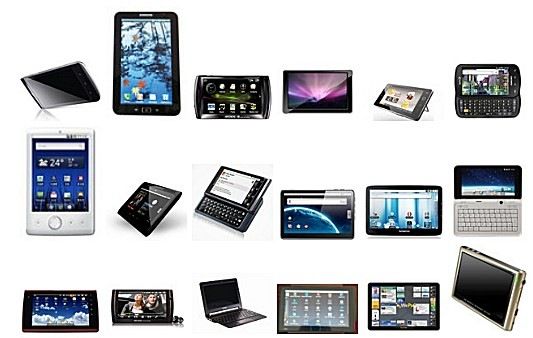
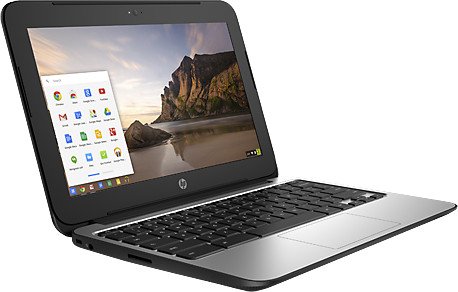
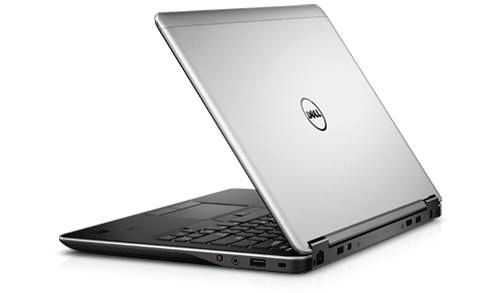
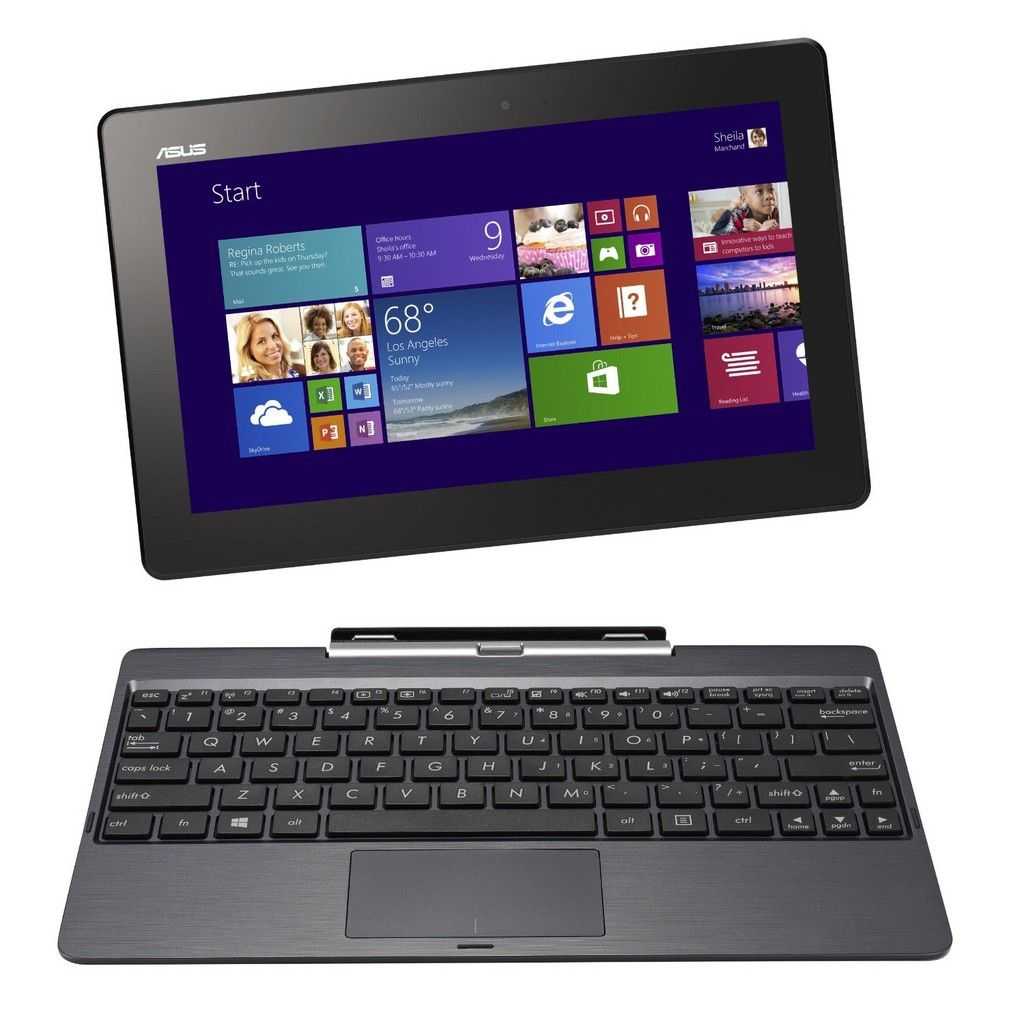
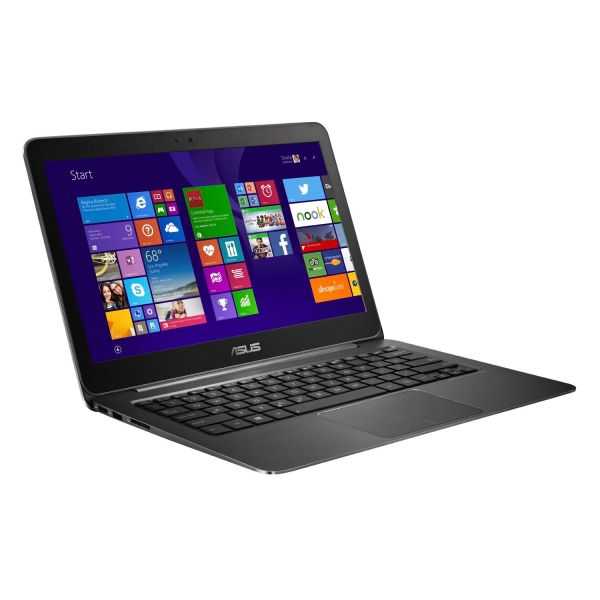
As the days go by, the topic of application stores on non-smartphones becomes hotter and hotter, more and more critical. Google won’t release their Market without a license and the developers often don’t see any reason to distribute outside the Market channel. It leaves the non-smartphone tablets missing an important part of the Android product.
 Al Sutton (Twitter, Blog) is founder of Funky Android, the company that produces the AndApp Store which is a no-license framework for the distribution and payment of applications to Android powered devices. Its one of a number of 3rd party stores out there and often finds its place on the lower-cost tablets. The recent Augen tablet Market slip-up highlights how closely-guarded the Market is.
We spoke to Al to find out how the state of play looks from his angle. He has some interesting thoughts too.
- There are many countries not served by Google Market.
- It may not be worth Google Market moving into the tablet space because of Chrome and better opportunities in the browser.
- Google 3.0 may be Google TV focused.
- It takes a ‘couple of minutes’ to list a new application at AndAppStore
Full interview below. Thanks Al.
Firstly, tell us why you started an alternative applications store for Android?
AndAppStore was launched before the T-Mobile G1 because Google hadn’t provided public information on how developers could distribute their apps via Market. We wanted to provide a service which developers could use to distribute their apps to users as soon as the G1 was launched.
As Market opened up to submissions we moved towards serving groups who hadn’t reached an agreement with Google to license the Google Android application suite (including Market). These groups ranged from OEMs through to small informal groups porting Android to various devices, and we continue to support all of those groups today by offering a royalty and contract free client which they can freely redistribute without asking us.
The situation with paid applications has also provided us with an opportunity to serve the Android community. We direct users to PayPal for application payments and the payments go directly from the user to the developer meaning the developer gets all of the revenue from their sales. This means we can list pay-for applications from many more countries than Market currently does, and makes it more profitable for the developer, which makes it a win-win situation for all concerned. We know this is popular because we have several developers who are in countries not served by Market, some of whom are making a few thousand dollars a month, and when you reach that level of sales the difference between a market which takes nothing and a market which takes 30% runs into hundreds of dollars.
In short; AndAppStore was set up to serve developers needs and there are still things that it can provide to developers which makes them want to list their apps.
So your main customers would be users of devices without Google Market then? What other key types of user do you see?
We have two main types of users;
1) Users on devices without Market.
2) Users who want access to paid applications from developers outside the areas Google serves.
The largest group is the first one, but over 35% of downloads via AndAppStore go to devices which ship with Market installed, so we know that the second group is also important. We we’re initially surprised at the size of the second group, but we can see it goes to show that there is a lot of demand for paid applications from developers in countries Google isn’t currently serving.
Across those two areas we see a fairly wide range of users in both geographically and in terms of the devices they’re using. We, like Google, publish platform stats ( ours are at http://stats.andappstore.com/platform-versions.html ), this helps developers to see what the world is like beyond Market if they want to support it.
The low-cost tablet, smartpad and smartbook space is obviously an opportunity but will Google step in soon?
I’m not sure it’s worth Google stepping into that segment, and even if they did I’m not sure all OEMs will want to carry the cost of complying with Googles requirements and would agree to Markets revenue sharing system. We’ve worked with some OEMs who were looking to include Market and the impression has been it’s a long process which can throw up a few unexpected hurdles. If you compare that to AndAppStore where the OEM can go to our site, download the client, put it in their firmware, or, as Augen did, make it available via their support site, you can see it’s a much cheaper prospect for the OEM and the turnaround is much shorter, with some OEMs going from having nothing to offering over 1,000 apps the their user via the AndAppStore client in only a few hours.
It’s well know that Google will have to loosen the requirements somewhat to support Google TV. The most recent public compatibility requirements I’ve seen (version 2.1) requires things that just don’t make sense in the context of a TV such as; dynamic screen orientation (would you turn your 42" plasma on it’s side just because the Facebook app only supports portrait mode for it’s home screen?), 2MP+ camera, 3 axis accelerometer, 3 axis compass, GPS. So when these requirements dropped things may become easier for OEMs, but there are still the legal requirements and agreements which are rarely cheap or quick to go through.
Google appears to be keeping tight control on Market. What exactly is stopping them licensing to non-smartphone devices?
Market controls where most of the big names will deploy hardware. Without Market support for non-smartphone devices you’re unlikely to see big product launches from the likes of HTC, Dell, Asus, etc., etc., etc., so it’s Googles way of trying to steer OEMs to where they want them, and I can see them not wanting to OEMs to produce non-smartphone devices with Android for one big reason;
Chrome OS.
There’s no doubt Android has generated a lot of PR for them, but Chrome OS drives users to where Google is most at home, and makes a huge amount of money, and that’s the web. With Android it’s possible for Google to support a user and see no revenue for it because the Google apps on Android don’t carry apps ads (at the moment). Whereas with Chrome OS users are driven to Googles webapps with all the advertising they have, and thus Google at least has an opportunity to make money from that.
It’s a similar situation with Google TV. Although Market is mentioned (briefly) in the Google TV promo video there’s no mention of a native GMail app or anything similar, it’s all focused on the browser where they can generate more revenue from users.
Do you think Android 3.0, a tablet-focused version of Android and Market will really happen? Will productive apps start coming through? Will devs re-work their apps for bigger screens?
I think 3.0 will be Google TV focused, and that will help tablets, but I don’t think it will be purely tablet focused. A lot of the problems Google have to overcome to support Google TV (such as a wider range of screen sizes and hardware with less functionality than a smartphone) are the same types of problems Android faces before it can be deployed on cheaper tablets.
My belief is that any tablet specific functionality will come as a by-product of other work. Given Googles relationship with HTC I would have thought we would have seen an HTC Android tablet announcement if tablets were a big focus of development, but, instead, we’re seeing details of an HTC Chrome OS tablet, which I think says a lot.
What does AndApp bring to developers that Google Market doesn’t?
The main advantages are access to the users on devices you can’t reach via Market and the ability to list paid applications if you live in one of the 100+ countries PayPal supports.
We’re well aware that developers focus on Market, and we’re not trying to get in the way of that, but for the couple of minutes it takes to list a release at AndAppStore developers could find themselves getting downloads from users who, if the developer only listed on Market, may have only had access to the app via a pirating site.
We try to make it as easy as possible to list applications on AndAppStore because we understand it’s not the main focus for many developers. At the moment we’re looking at introducing an API so developers can just submit their APK and AndAppStore takes care of everything else, and if developers have any other ideas for what they want to see they’re free to discuss them on our Google Group (http://groups.google.com/group/andappstore-discussion).
Here’s an idea. Why don’t all the 3rd-party stores get together under an ‘appstore foundation’ and get some common processes and payment systems worked out. Surely it makes sense to work together in an open way while Google remains closed?
We tried to float this idea about a year ago and it got nowhere ( you can see the thread at http://bit.ly/czQyvL ).
With app stores currently being measured by the number of apps they have there is very little incentive for any app store to hand over parts of it’s catalogue to a competitor, which is a big problem for developers, because it discourages app stores helping each other to increase their catalogues. There is also a lot of competition in the app store sector, so every unique application and feature an app store offers is one small step forward from the crowd, which tends to make app store operators very protective, and some even start using the catalogues of others without permission just to boost their application count as highlighted by Tim Strazzere in his blog post at http://strazzere.com/blog/?p=316 .
Google is a big problem though if we want to get something off the ground, and we saw a demonstration of how Google views 3rd party app stores with their recent licensing solution. In early 2009 we developed a licensing solution with an API which allows the generation of licenses from other sites. We then offered it to Google in March 2009 as the basis for a cross-market solution, and they said no thanks, so we were pretty surprised when they recently release release their new licensing system (over a year later) which is almost identical to what we offered them in 2009 except for the LVL library and that the solution can now only be used by applications sold via Market on devices where Market is installed.
What are the future plans for AndApp?
Simple; to keep serving OEMs, Developers, and users for as long as they want us to.
You can catch Al Sutton speaking at DroidCon on the 29th October.