
[This was posted live during the Intel Ultra Mobility Event. 2nd June 2010. Excuse the formatting, brief analysis and spelling mistakes please!]
I’m ready to go into the ultra mobility event which starts at 1400 here in Taipei
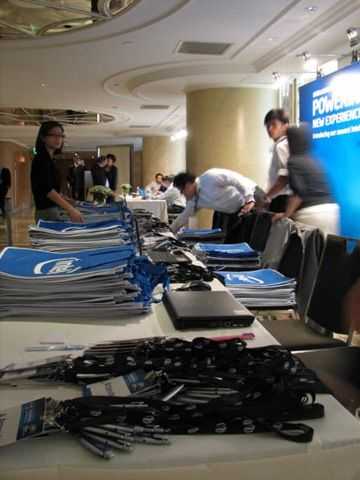
Stay tuned for updates on Moorestown, Oak trail, MeeGo and AppUp…
We’ve just been given the fact sheet..
Acer Backs MeeGo, ASUS supports Intel AppUp Centre and MeeGo, MeeGo Tablet Demos, MeeGo V1.0 based products (9 demos listed) , Service providers Rally Around MeeGo, MeeGo Enabling Center.
More from fact-sheet:
Mandriva, Linpus (Lite), Novell (SUSE MeeGo), Red Flag (Red Flag inMini), Turbolinux (Great Turbo IVI) to release OS builds based on MeeGo.
1325 Doors should open soon.
Fact-Sheets uploaded to Flickr.


1333 We’re heading in…taking pics of display. brb!
Just had a quick peek into the demo area. Aava smartphone is showing 3D, video, gaming demos and girls…
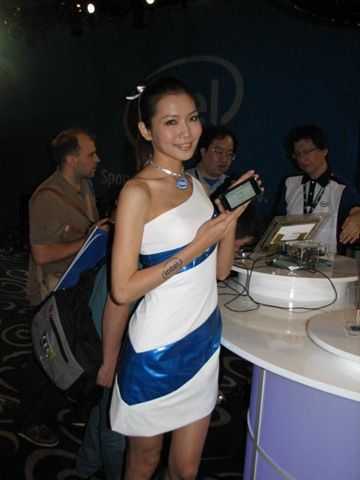
1345 Seated at the front. The show starts in 15 minutes
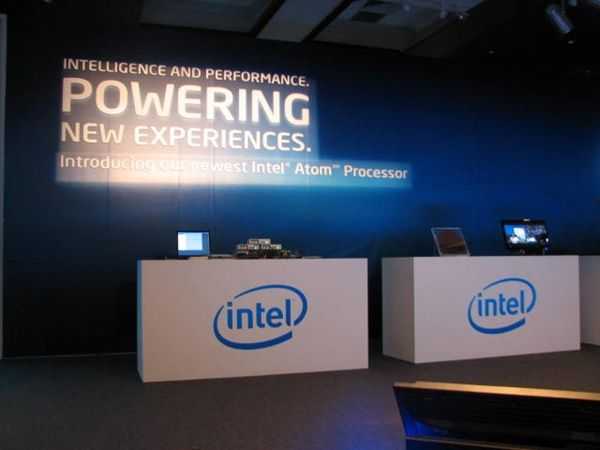
Sascha from Netbooknews.de sitting next to me.
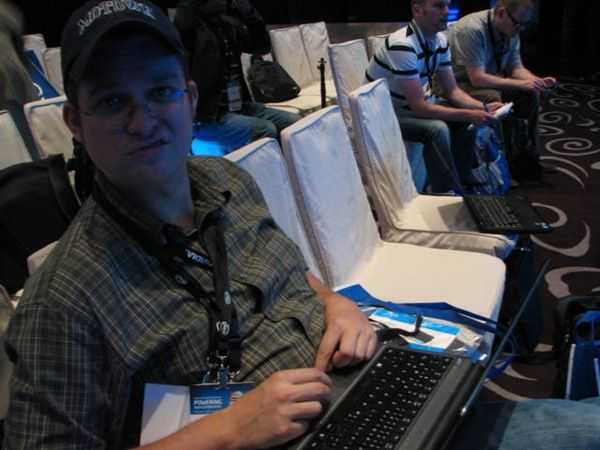
Open Peek Moorestown-based products on-stage.
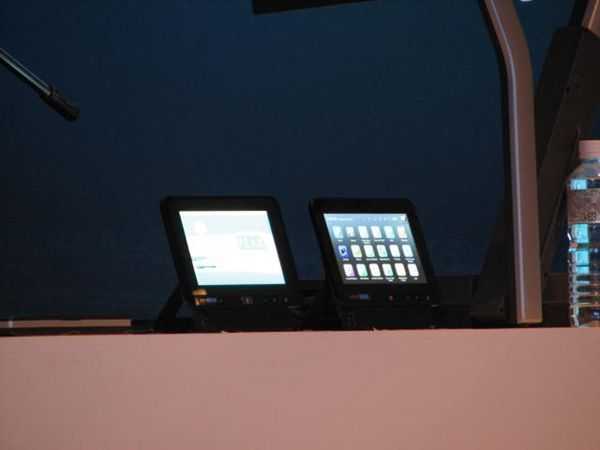
2-minutes to go. Execs seated to the right of me. More importantly, Nicole from netbooknews just arrived.
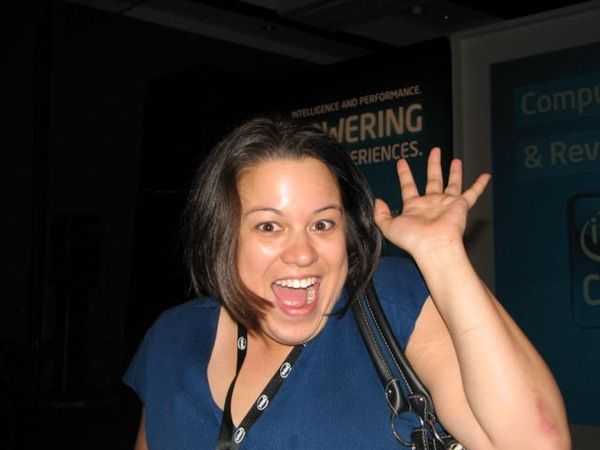
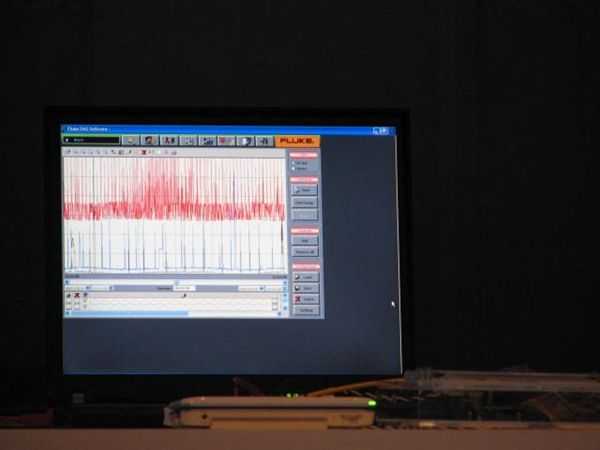
Power usage demo on stage. Lights down. Here we go…
1404 Events kicks off, as usual, with a ‘thank you’ to Taiwan.
Anand Chandrasekhar (sp?) now on stage.
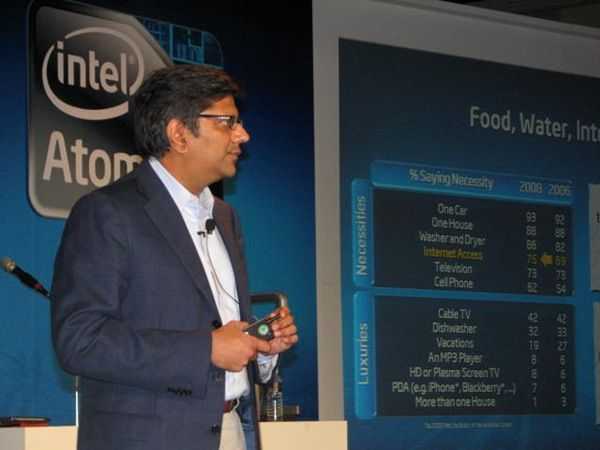
Anand talks about video consumptions. Content is getting richer. Sharing. Live sharing.
Matt Serletic from Music Mastermind on stage to demo a very cool studio on an X70
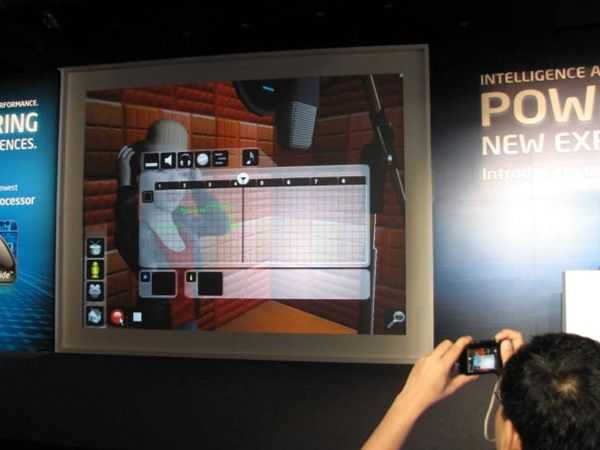
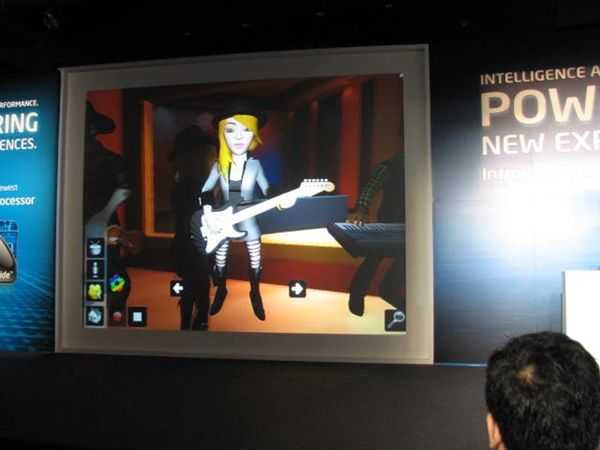
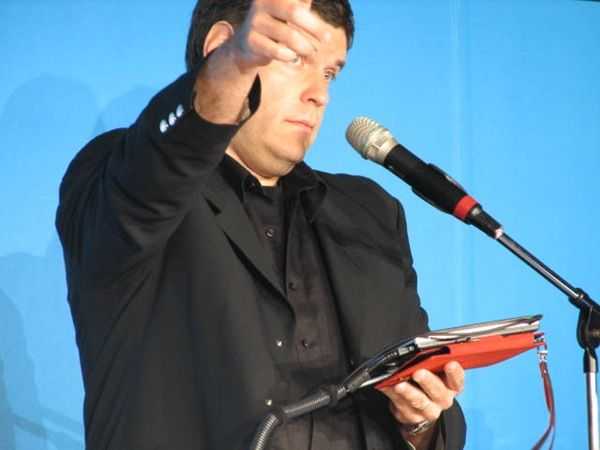
That was a cool demo. He basically layered up a track by using vocal input to set the sequence.
14:17 Anand continues, talks about Intel’s compute continuum and ‘a little bit of magic.’ This is where we go to the power drain demo I guess…
Nope, we’re going into a video…about 1954 and the 4 minute mile. Breaking barriers is the theme I guess.
Anand goes on to talk about to the power barrier!
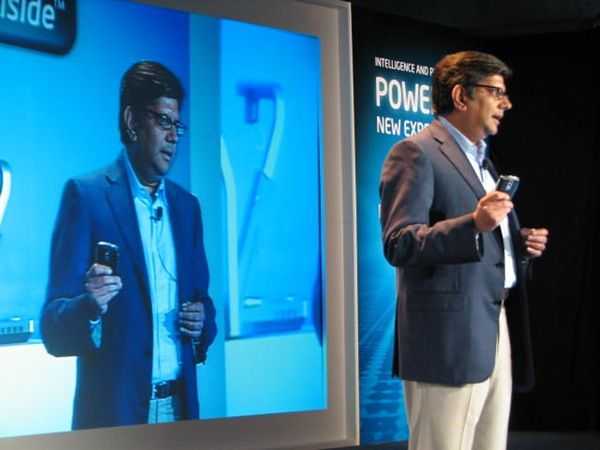
Anand holds up an ARM-based Blackberry and says ‘that’s a platform.’ goes on to talk about the 50x power reduction figures and how they related to a platform and not to silicon.
Video highlights smartphone and tablet. Talks about 8-10 hours battery life on the tablet.

Andy [?] of Open Peek now on stage demoing the product.
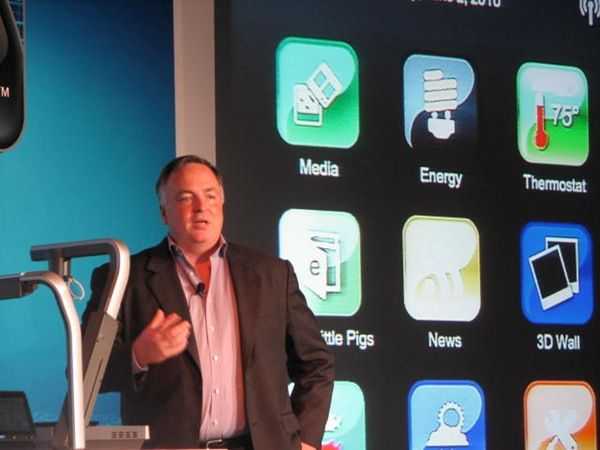
2:29 we’re getting a demo of the ‘Open Peek’ home energy app.
2:32 Talking about performance. There’s that sub 2 second SunSpider figure again.
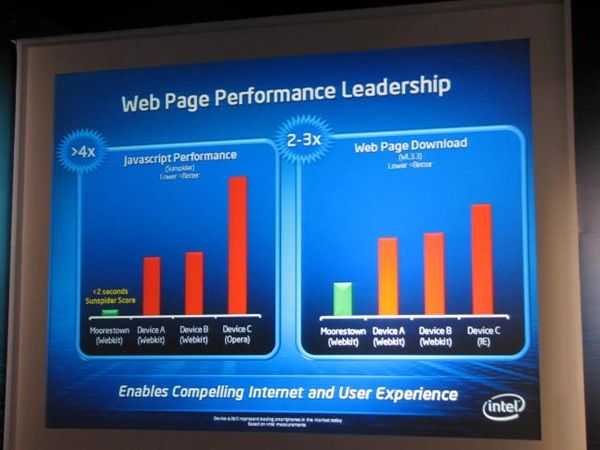
These figures look correct to me. iPad is running 10 seconds on SunSpider.
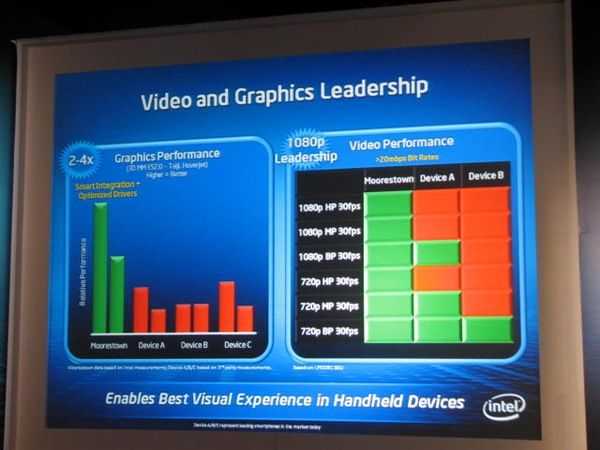
Graphics and video slide highlights 1080p performance. (High Profile at 30fps) and 3D performance.
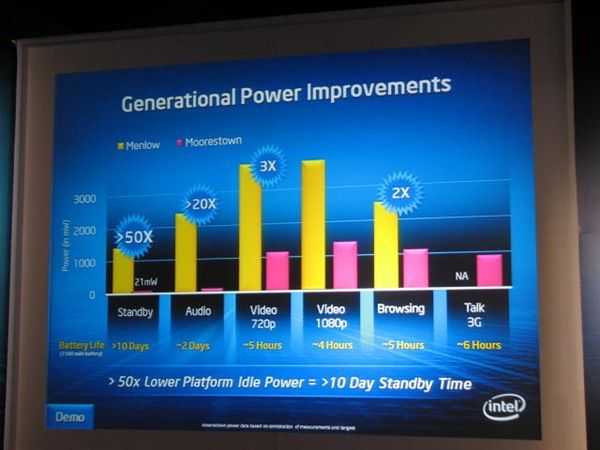
Interesting slide shows the battery life improvements over Menlow.
1437 Now watching a demo of battery drain. 100mw audio playback. Not bad!
1440 Comparing against competition now….
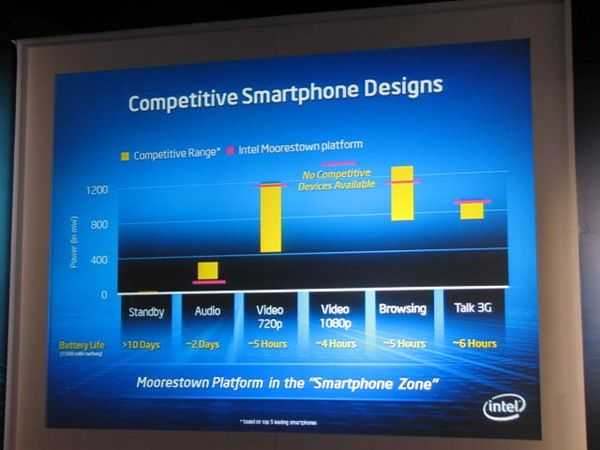
Quite some power in Anand’s voice at this stage. He’s pushing this point home.
In performance we’re “In a league by ourselves inch with an average power consumption for the smartphone space.
World Of Warcraft being demonstrated on the Aava smartphone (on Moorestown) but the demo isn’t that impressive. Low FPS.
Quake demo shown. I have no idea if it’s good or bad!! Looks fast.
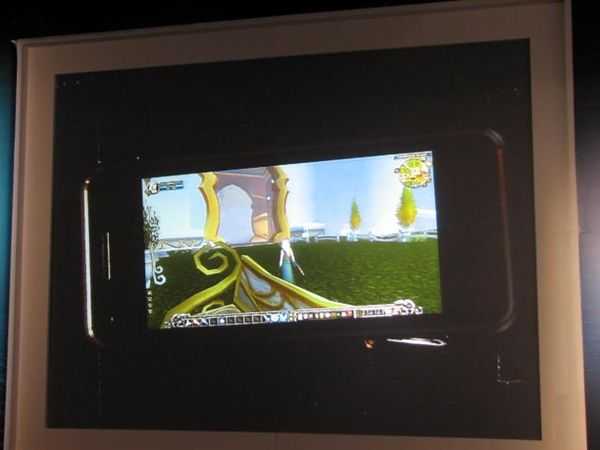
Mutitasking demo…of course….and a nice textured interactive 3D demo. Yeah, it looks quite impressive.
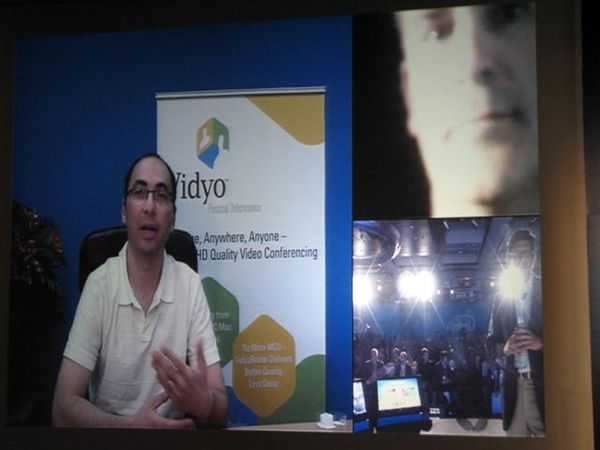
14:46 Video conferencing demo. Ofer Shapiro of Vidyo comes in live over a conference. 2 live screens shown. quality very good. 3rd video conference screen now added. It’s coming in via a Moorestown phone.
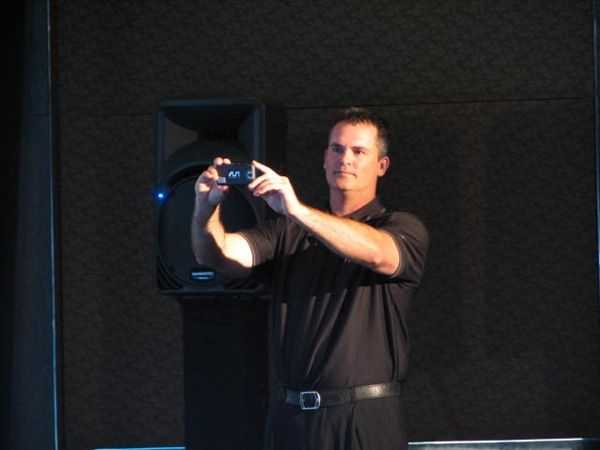
1452 We move into MeeGo. Sounds like this is a summary of what we heard this morning. I’ll have a post about that later. Doug Fisher steps up on stage
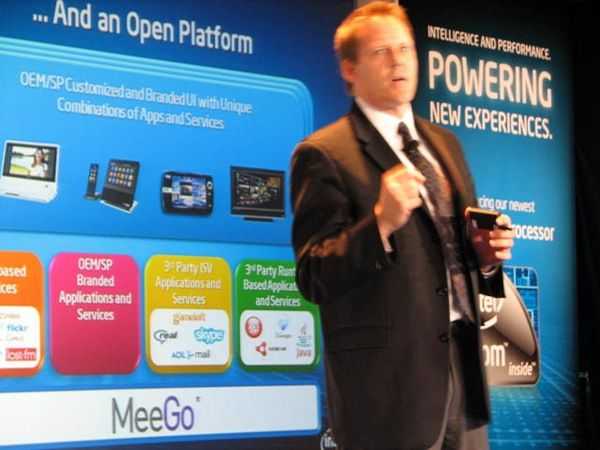
Tablet demo now. Oops. Didn’t work. Backup device sent to stage. Doug breaths again! (See out tablet demo from yesterday)
Brief slide on Medfield which is ‘on track’ closes up the event here. Anand rounds up with ‘best is yet to come’
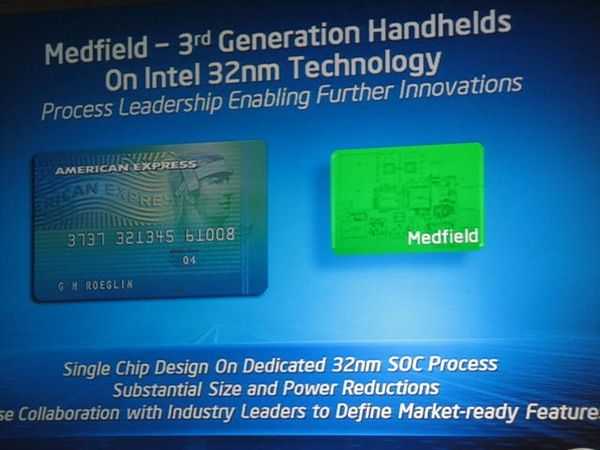
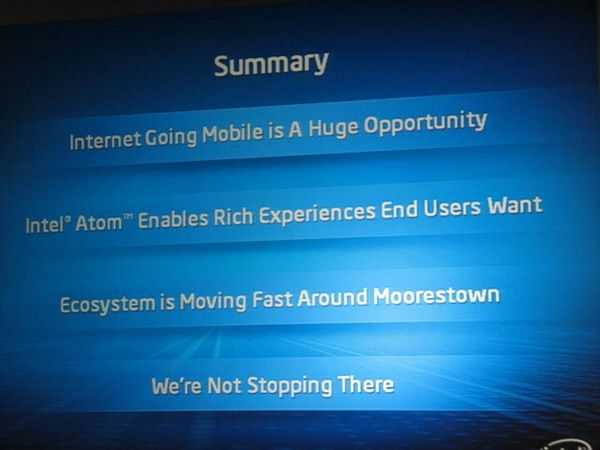
That rounds it up. We’re off to the demo area and then to a private Q&A. Anyone got questions? Put them on twitter to @chippy and I’ll try and ask Anand.
Updated: Q&A Session reveals timeframes.
In a Q&A session following the event we had the chance to ask Anand questions about Moorestown and related products.
Chippy: “Premium performance, premium price? inch Anand responded to the effect that Intel will be aggressive with their pricing in order to get into the market saying that Intel will be ‘competitive’ and following up with ‘expect us to be hungry but not stupid.’
Sascha (netbooknews) asked about timeframes for products. Anand responded saying that products will ‘trickle’ in within a 6-12 months timeframe with tablets coming first. It’s not clear if he’s referring to MeeGo/Moorestown tablets or WIndows7/Oak trail tablets. We get the impression that there’s been a slight slip in the Moorestown program.
On Android: I asked about the project both to Anand and Doug Fisher.Was Android was just an internal project or something that is being worked-on with Google? It appears that the X86 branch of Android will become an official branch although some work will needs to be done on the power elements by Intel for its platforms. Medfield (the next generation after Moorestown) was mentioned so I assume that Android-on-Intel will be a late 2011 product.