Posted on 10 January 2013
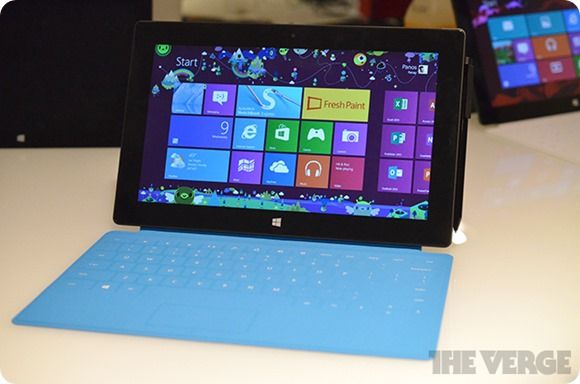
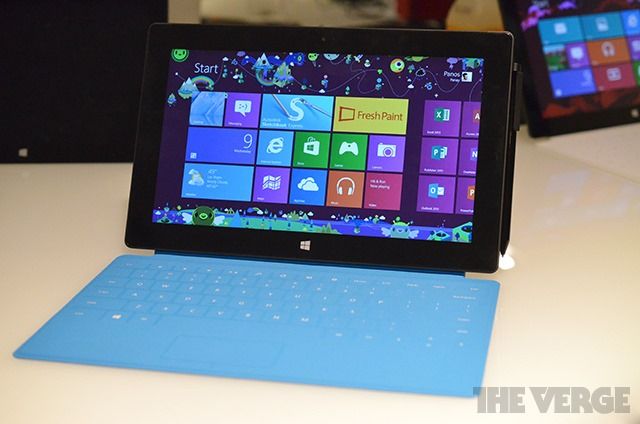
The Verge have just posted a very interesting and detailed hands-on with the Microsoft Surface Pro. I sent out my Surface Pro Performance Preview late last year but this hands-on, by Tom Warren, is worth taking a close look at too because it covers more than just the internals. You can read my thoughts below or just jump to The Verge.
Read the full story
Posted on 08 January 2013
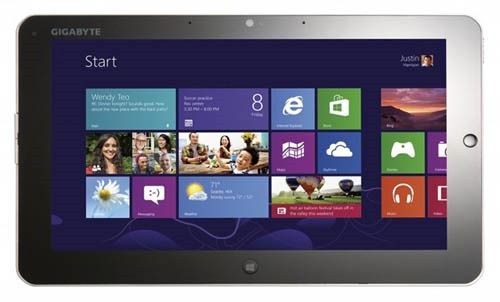
In the category that we like to call ultraslates (tablets based on an Ultrabook platform) we’ve got a new entrant today. The Gigabyte S1185 is an 11.6” full-HD tablet running Windows 8. Gigabyte have not made a formal announcement on their site or social media channels yet but some details are out there in CES-land. Interestingly the image shows a USB-attached keyboard which is not what we expected when we read ‘magnetic keyboard.’
The original keyboard image has been removed as it was from a different device. We’ll update when we have new info.
Read the full story
Posted on 13 December 2012
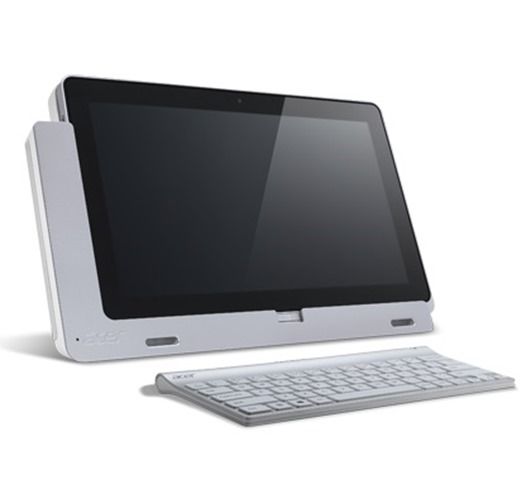
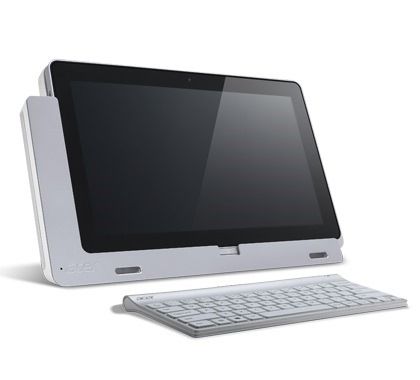
Although there are a number of slider and rotating screen Ultrabooks out there it’s the dockable slates that seem to interest the readers here the most. The Samsung XE700 / Smart PC Pro is available in a number of location now but it’s the Acer Iconia W700 that get’s the first round of reviews. Laptop Magazine and CNet have published their thoughts so make sure you read these to get a feel for weight, battery life, performance and features for this new phase of Window Tablet PCs.
Read the full story
Posted on 09 December 2012
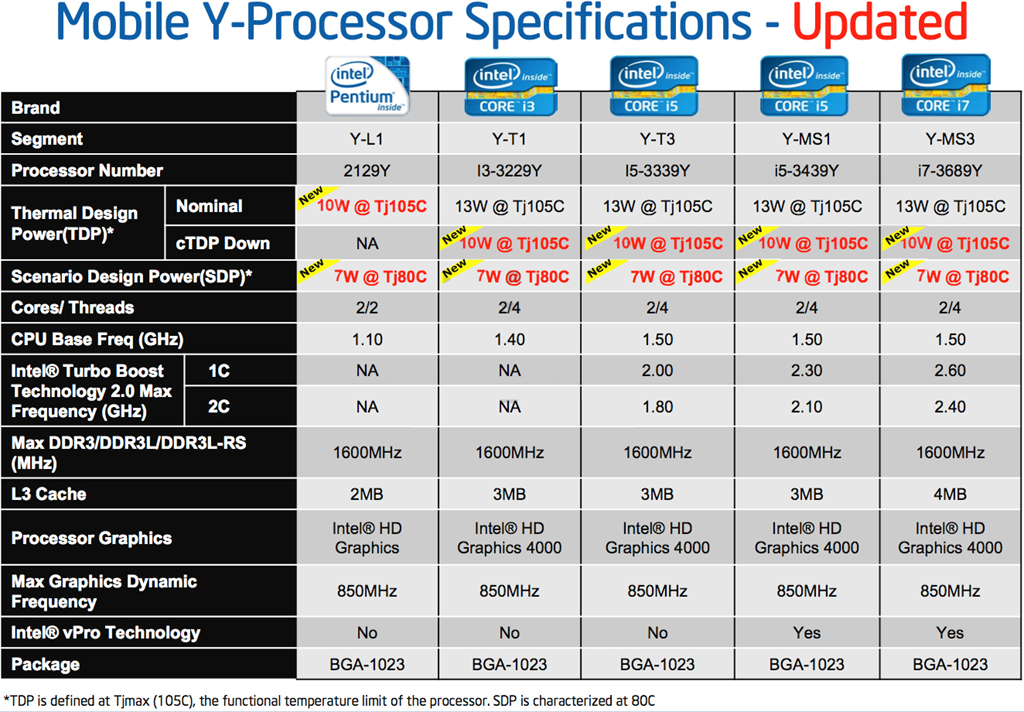
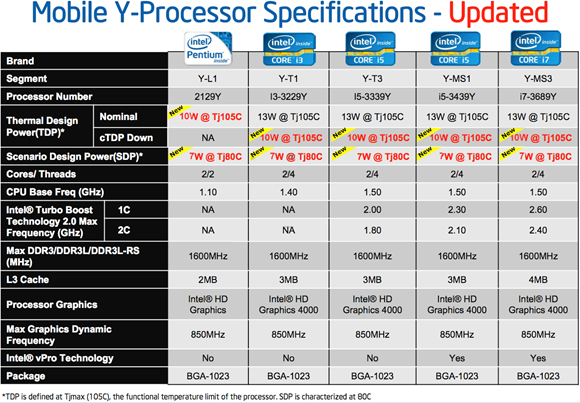
Intel could, according to Xbitlabs, release a new set of low-TDP Ivy Bridge CPUs next year that will help tablet and Ultrabook designers make products thinner, cooler and quieter. TDPs will be brought down from 17W to 10W by limiting clockrate and Turbo features. The process is going to make it very difficult for a customer (and for us analysts) to determine performance based on a i3/i5/i7 part number but are also likely to be there to let Intel feed-in lower price CPUs for tablets and low-cost Ultrabooks. There’s a little trickery involved here as designers already have options for locking-down TDPs although the new parts extend that capability down to tablet designs and make it simpler for manufacturers. The new parts seem good candidates for the Surface Pro for which we don’t have a Core i5 model number yet.
Base frequencies and Turbo features are changed in all of the new CPUs. We don’t expect any changes to the Core architecture.
Read the full story
Posted on 04 December 2012
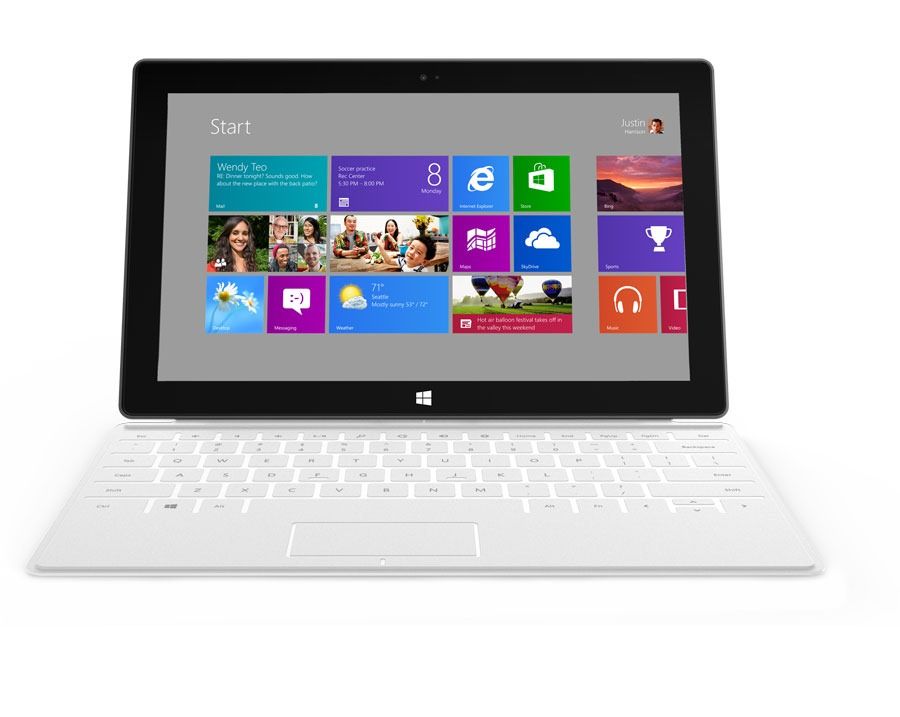
Want to know the performance characteristics of the Microsoft Surface Pro? Read on.

Microsoft Surface Pro details [here] have been revealed to the point where I now have a very good idea of how it will perform. We all know It will be using a 3rd Gen Intel Core i5 ultra mobile processor and because the device design will be very mobile-focused we know that there’s a very close similarity to Ultrabooks. Importantly we know that there’s a 42Wh battery inside which gives us all the information we need to determine battery life under a number of conditions.
Read the full story
Posted on 29 August 2012
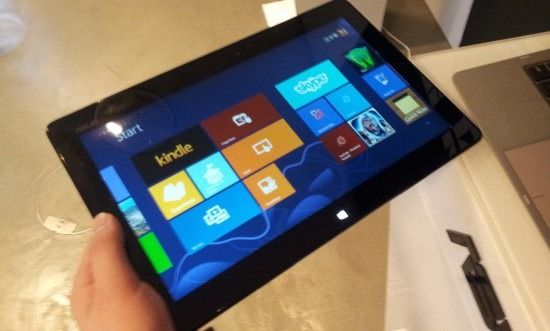
It looks great and is likely to come at a great price but the ASUS Vivo Tab isn’t quite the ASUS Transformer Book as although it runs a full WIndows 8 build, it’s a low-power (and probably lower cost) Intel Atom-based tablet with docking keyboard.
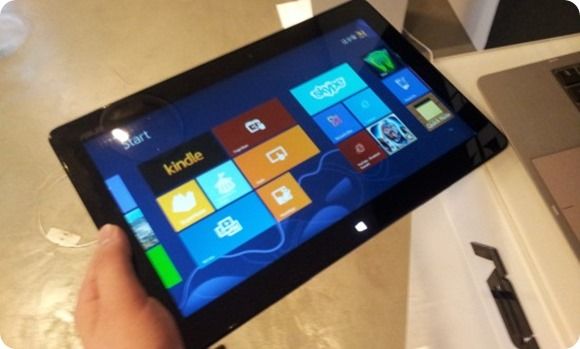
Information on the ASUS Vivo Tab is coming in from all angles at the moment as it’s just been announced at a press conference. There will be a “RT’ ARM-based version too and there’s talk of a pen-capable display.
More images at MobileGeeks.
We’ll try and bring you more on the ASUS Transformer Book soon. It’s a similar convertible with a 13.3”or even 14” screen that runs on an Ultrabook-like platform of Intel Core CPU.
Posted on 30 July 2012
The Windows RT version of the Microsoft Surface tablet / convertible is coming on 26th October, along with Windows 8.
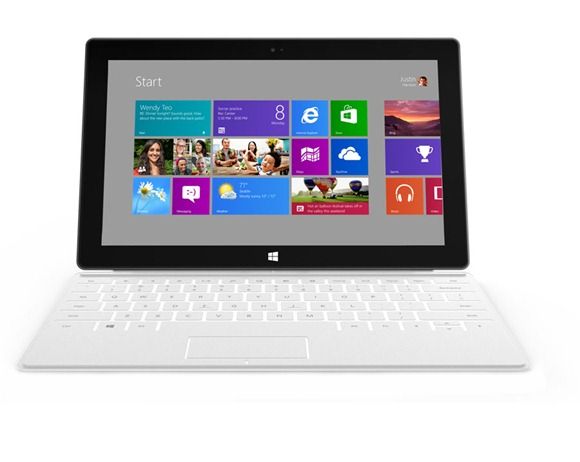
Unfortunately the new information doesn’t include anything new about what could be more interesting to readers of Ultrabooknews – the Intel based version of Microsoft Surface.
Read the full story
Posted on 27 July 2012
I wrote about the Ultrabook ‘project’ yesterday. That is, everything that is being done by Intel and partners across the world to create the best Ultrabook for the future. At meetings next week, Intel and partners will be meeting with the same aim – making the Ultrabook.
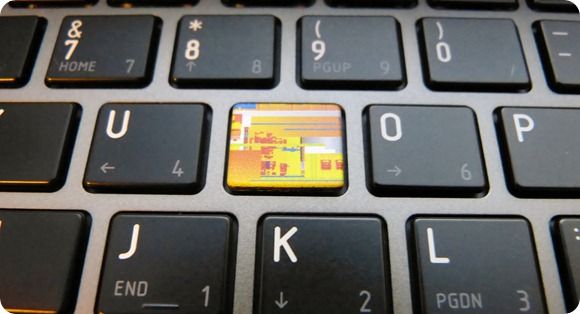
In a report at Digitimes, details on the Taiwanese leg of the Ultrabook Ecosystem Symposium have been revealed. According to another report, there’s a repeat of the event in China on August 2nd.
Read the full story