

I’m at the Mobile World Congress in Spain this week and although I’ve been covering a lot of phone and tablet news (over at UMPCPortal.com) I’ve also been keeping an eye open for Ultrabook news. I didn’t have to look far because when Intel talks about one silicon product, it’s now inextricably linked with the others via the ‘Compute Continuum’ which isn’t just a keynote dream any more, it’s a real project to mesh devices from various parts of Intel’s product range.
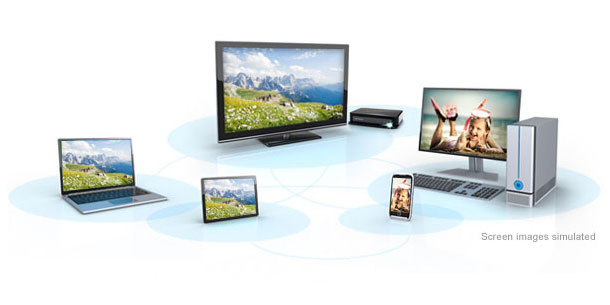
While Intel have 3 phones on the show floor here and have announced phone and tablet product partnerships with a number of manufacturers, they are taking every opportunity to talk about Ultrabooks which they see as being close partner products to phones and tablets (and servers) in what Intel call their ‘Compute Continuum.’ Ultrabooks have a large role to play in this strategy which involves unique silicon features, sensors, Intel-enabled connectivity and very importantly, applications that tie everything together.
Over the last few days I’ve learnt more about the Compute Continuum which isn’t just a marketing dream, it’s now in the design stage with real people working on real solutions that link Intel products in unique ways. Photo ‘pair and share’, extending phone features to the PC , sharing and backup, Wireless Display, browser-to-phone data exchange and much more. Intel want to enable ways to interconnect and create applications around multiple devices in ways that offer value to the user (and obviously create huge advantages for Intel as customers get hooked into this ecosystem.)
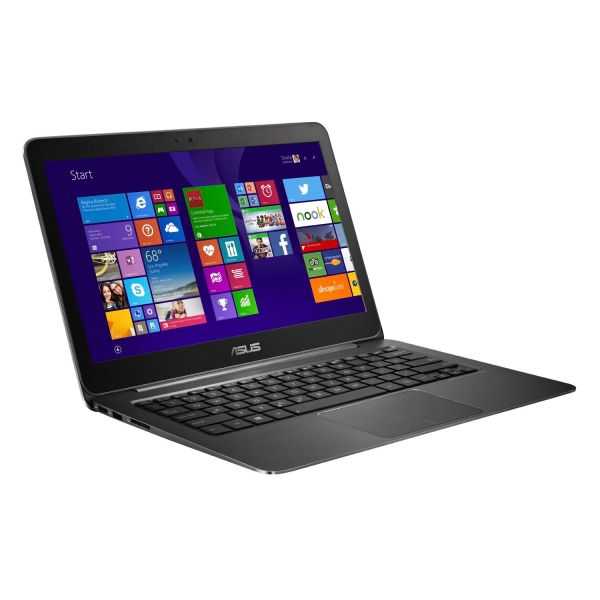
So here’s the thing about Ultrabooks. They play a key role in this ecosystem as they bridge desktop to mobility and become the injection point for applications through the Intel AppUp store. ISVs might want to think about this along with the expression ‘continuous client.’
The Ultrabook will be a stylish product with mainstream processing power for personal, business and creative users with a high-level of mobility and battery life and unique in-silicon features such as security, NFC, video, image processing, and connectivity. That much we know; But there’s more. If you add sensors you make a unique, context aware laptop. If you add ways for the Ultrabook to become aware of devices around it, regardless of physical network connectivity, it becomes even more context aware while also being able to add capabilities. If you then enable a way for developers to write unique software for the Ultrabooks and the devices around it, and then add a way to monetise it, you’ve got the potential for a close ecosystem that’s spread across many manufacturers. By having many manufacturers you create good economics for an application ecosystem.
Key things here are
- Unique and advanced silicon features.
- Sensors to enable context.
- High-efficiency platform to enable new designs.
- ‘Continuum aware’ devices and communications
- Developers building unique multi-device applications.
The Compute Continuum project is just starting to get off the ground at Intel. You won’t have seen any announcements or articles on this yet. If you’re tracking Intel as close as I am you might have seen a few demos that relate to it. There’s a brief compute continuum website (http://intel.com/cc) There have been a few staff movements. The hooks have been placed into keynotes. Add it all together and you’ve got a big project for Intel that’s just getting off the ground. Expect to hear a lot more about this at IDF in September. I’ll be researching more information in the meantime.
I’ll leave you with a slide that shows the vision well. In 2015, Intel want you to be using all three of their CPU platforms and the Compute Continuum (which I’ve annotated on the diagram) is the mesh of hardware and software that enables it.
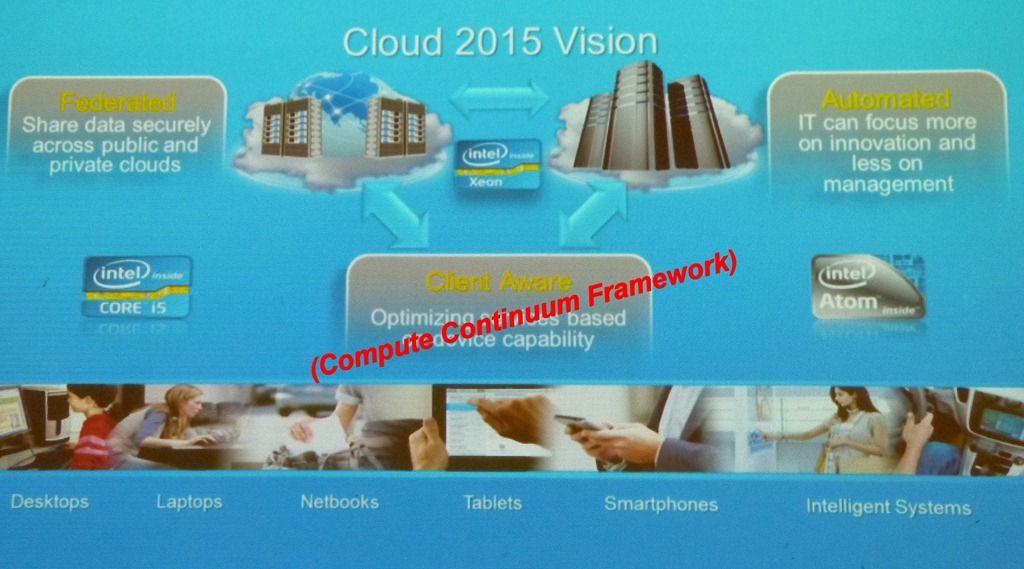
[Intel slide annotated to highlight where the “Compute Continuum Framework” fits.]
In the interests of full disclosure I’d like to highlight that Intel paid for my attendance at MWC. This article is not a sponsored post.